Por Sylvia Regan
Paralegal de investigación
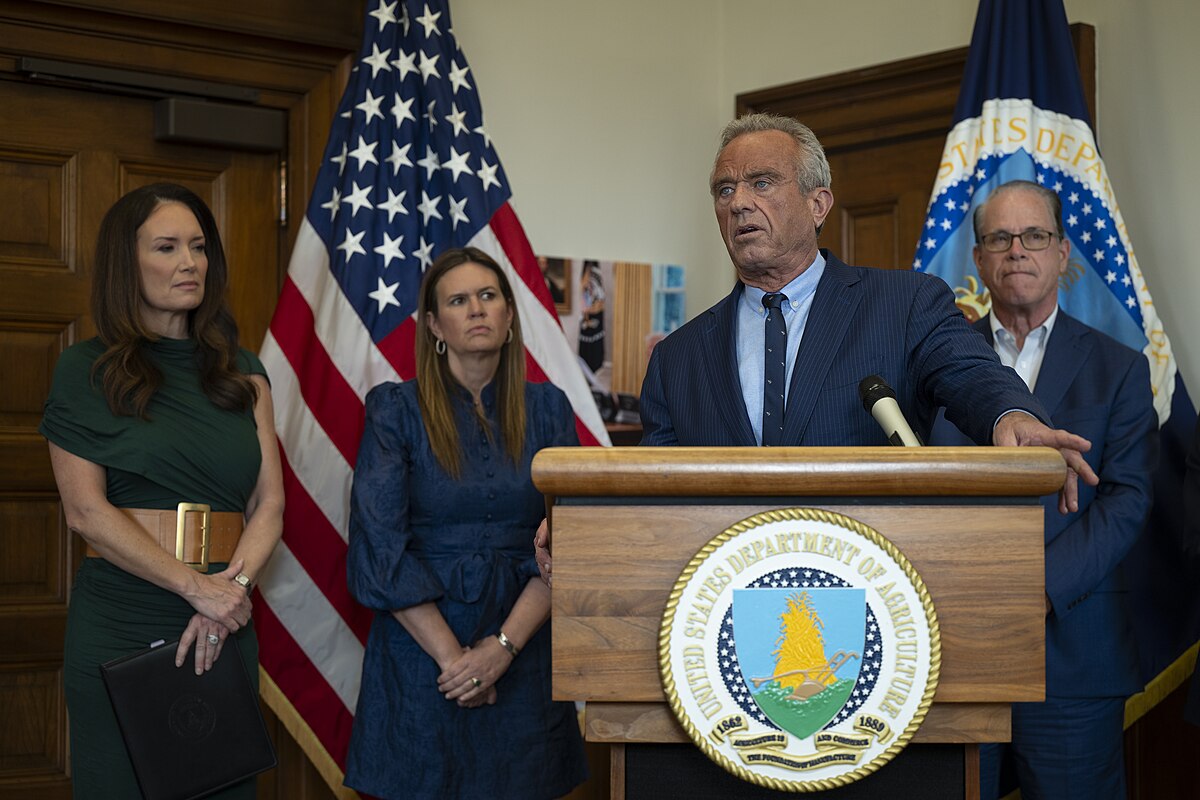
Donald Trump y RFK Jr. afirman que su administración “volverá a hacer de Estados Unidos un país saludable”, pero su último informe muestra que MAHA no puede lograr los cambios en nuestro sistema alimentario que necesitamos para un futuro más saludable.
En mayo, la comisión MAHA publicó “El informe MAHA: ”Haciendo saludables a nuestros niños de nuevo”, una evaluación de 72 páginas sobre las condiciones que, según la comisión, están causando una crisis sanitaria crónica entre los niños estadounidenses.
Muchos de los párrafos del informe se dedican a hablar de la alimentación, particularmente de los alimentos ultraprocesados, pero se menciona notablemente poco sobre los sistemas agrícolas que son la fuente de la comida que comemos. En tan solo una línea de texto, El informe analiza la consolidación del sistema alimentario bajo el control de unas pocas gigantescas corporaciones, y que cuatro empresas controlan el 80% del mercado de la carne en Estados Unidos.
Y sin embargo, el informe no llega más lejos para explicarlo. ¿Por qué? que esa consolidación es mala o cómo podríamos arreglarlo. En cambio, El siguiente punto culpa a la regulación de los problemas que enfrentan los pequeños agricultores y productores.. Aquí radica el problema con el informe MAHA. Mencionan el problema real —el control corporativo— pero, con un giro rápido de la mano, trasladan la culpa a la regulación del poder corporativo, objetivo real de Trump y sus cómplices corporativos.
Este es el corazón del fraude MAHA: pretender preocuparse por los problemas reales que enfrentan muchos estadounidenses para obtener el apoyo popular, y luego tergiversar ese apoyo para justificar políticas que favorecen a los poderosos actores de la industria que se benefician del nuestro sistema alimentario fallido.
Lea los reclamos del informe MAHA con escepticismo
Primero, un poco de contexto: la ciencia tiene importancia. Los hechos son importantes. Combinados con las experiencias de las personas más afectadas por la agricultura industrial animal, la ciencia fundamenta nuestro trabajo y es clave para exigir a la gran industria agropecuaria que asuma la responsabilidad por los daños que causa a nuestro planeta y a nuestros cuerpos.
Pero MAHA y la Administración Trump no son amigos de la ciencia — desde la comercialización de Teorías conspirativas contra la vacunación a Purga la ciencia del clima Desde los sitios web gubernamentales, este gobierno ignora y distorsiona deliberadamente la ciencia para ajustarla a sus caprichos políticos.
El informe MAHA afirma ser “una base científica común” para la labor futura de la comisión MAHA, pero ya ha sido criticado por profesionales científicos por “Extiende los límites de la ciencia,”, que hace representaciones engañosas sobre los estudios, e incluso citando estudios que no existen (posiblemente porque La IA ayudó a escribirlo). El Informe MAHA no es una investigación rigurosamente revisada. Se trata de un informe motivado políticamente por un comité de nominados políticos, por lo que no debe tomarse las afirmaciones que contiene como verdades absolutas.
El informe MAHA: Mucha palabrería, poca sustancia
El informe señala algunos problemas clave, como una mala alimentación y la exposición a la contaminación química, que afectan la salud humana. En la sección dedicada a la alimentación, el informe identifica un problema muy real: La industria agrícola, y dentro de ella especialmente la industria cárnica, está altamente concentrada en manos de unas pocas corporaciones..
Sin embargo, no explica en absoluto por qué esta consolidación es perjudicial. El informe no habla de las muchas formas en que la dominación de la gran industria agrícola sobre nuestro sistema alimentario afecta nuestra salud.: elimina a los agricultores independientes que cultivan alimentos de forma sostenible, contamina nuestro aire, agua y tierras, aumenta el riesgo de nuevas y más graves enfermedades que se incuban en las granjas industriales (como la gripe aviar), y amenaza especialmente la salud de los trabajadores y de los habitantes de las comunidades rurales donde se encuentran las instalaciones agrícolas industriales.
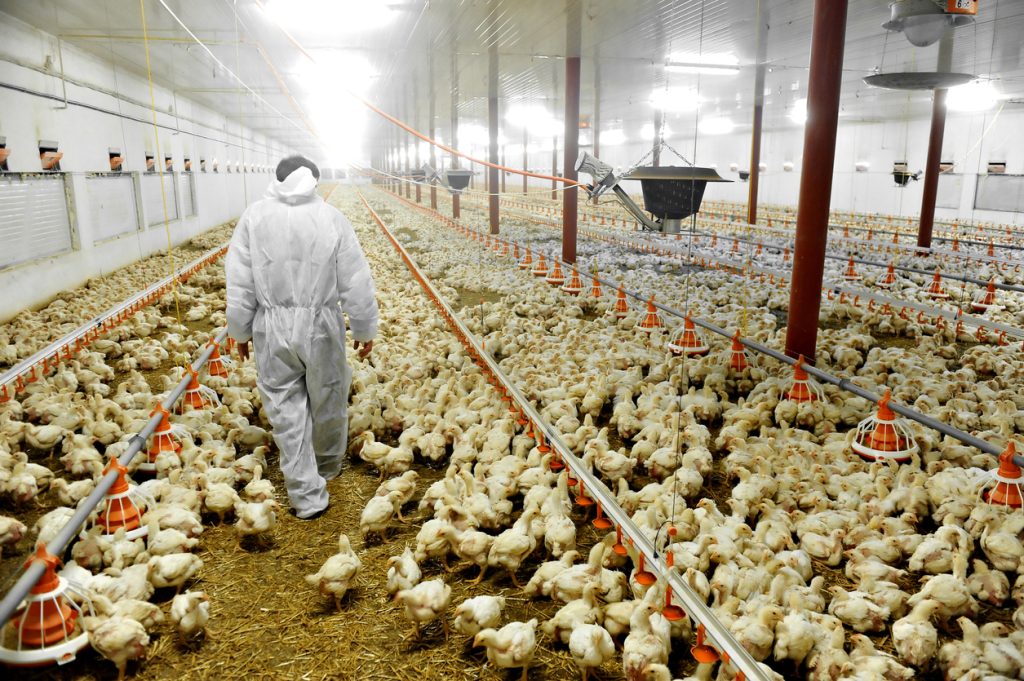
En lugar de abordar estos peligros urgentes que la gran industria agrícola genera con el fin de maximizar los beneficios corporativos o sugerir formas de construir un sistema alimentario para el pueblo, el informe MAHA implica que la regulación es la mayor amenaza para los productores independientes de alimentos. Pero ¿por qué un informe sobre cómo hacer que los alimentos sean más saludables debería promover la eliminación de normas que ayudan a garantizar que nuestros alimentos se produzcan de forma segura y justa?
La desregulación es una mala noticia para la salud de los trabajadores y los consumidores. La administración de Trump ha dado grandes ventajas a las empresas de carne y alimentos, como permitir que los mataderos pasen a ser propiedad de ellas. establece velocidades de línea aún más rápidas y Retirando una norma para limitar la salmonela en la carne de aves de corral. Estos cambios hacen que los trabajadores y los consumidores sean menos seguros.
Los mayores beneficiados de la desregulación son las gigantescas corporaciones que presionan para eliminar las normas que consideran inconvenientes para sus beneficios.
¿Otra ocasión en la que las acciones de la Administración Trump hablan más que las palabras del informe MAHA? ¿Qué alimentos reciben nuestros hijos en la escuela? El informe pone de relieve Francia como ejemplo por exigir a las escuelas que obtengan gran parte de su alimentación de los agricultores locales. Sin embargo La USDA de Trump ha recortado miles de millones de dólares en fondos para programas que Escuelas conectadas, bancos de alimentos y otras organizaciones que ofrecen carne y productos frescos y saludables de productores locales. Estas carnes son malas para los niños y Desastroso para los agricultores independientes construyendo un sistema alimentario más saludable. Los únicos que se benefician son los gigantes de la gran agricultura que apriete más fuerte la presión como lo hicieron en la última administración.
El informe MAHA perpetúa los mitos de la gran agricultura y deja a los agricultores independientes atrás
El informe MAHA no nos puede ayudar a construir un sistema alimentario mejor, porque no ofrece ningún análisis del sistema dominante que necesitamos transformar. Solo presta poca atención a los agricultores, afirmando que “los agricultores son la columna vertebral de Estados Unidos y los más innovadores y productivos del mundo. Continuamos alimentando al mundo como el mayor exportador de alimentos. El mayor paso que los Estados Unidos pueden dar para revertir las enfermedades crónicas en la infancia es poner los alimentos integrales producidos por los agricultores y ganaderos estadounidenses en el centro de la atención sanitaria”.”
Suena bien, ¿verdad? Todos queremos apoyar a los agricultores que alimentan a la gente. Pero este informe repite algunos de los mitos favoritos de la gran industria agrícola que utiliza para engañar al público y evitar el escrutinio. La primera es que toda empresa que cultiva alimentos o produce animales para la carne es una granja. La realidad es que cada vez hay menos tierras agrícolas que están siendo manejadas por los agricultores de la manera que probablemente imaginan cuando escuchan la palabra “agricultor” — personas que poseen, viven y trabajan en sus tierras, y especialmente los agricultores que cultivan múltiples cultivos y animales. En cambio, Las grandes empresas ahora controlan el mercado, que compra tierras, produce grandes volúmenes de los mismos productos y excluye a los agricultores más pequeños.
Pero la gran industria agrícola no quiere que se haga esta distinción entre un agricultor y una empresa que produce alimentos; y aparentemente MAHA tampoco lo quiere.
El otro mito que los grandes productores de alimentos aman es que sus métodos de producción de alimentos —el confinamiento extremo de los animales, la dependencia de pesticidas y fertilizantes químicos, la explotación de los trabajadores— son necesarios y justificables porque son necesarios para producir suficiente alimento para Alimenta al mundo. Pero la verdad es que estas empresas operan de manera que aprovechan el sistema y maximizan sus beneficios, no por bondad de corazón. No se preocupan por alimentar al mundo, y no producen alimentos de manera que satisfagan las necesidades nutricionales de las personas en su país o en el extranjero.
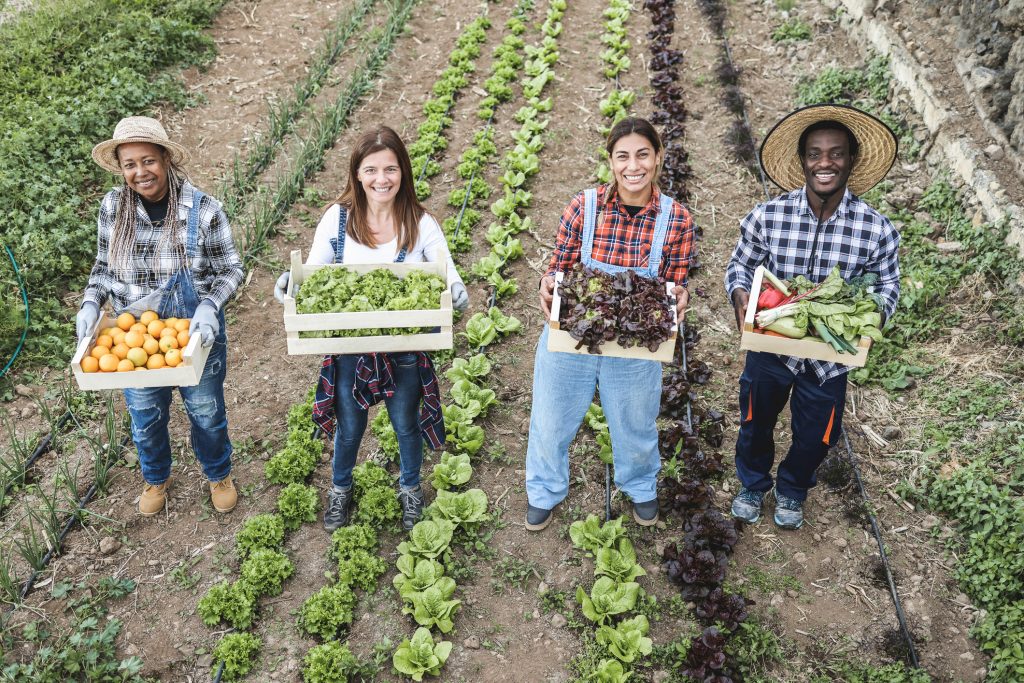
Si MAHA quiere ofrecer a los estadounidenses alimentos saludables y naturales cultivados por agricultores estadounidenses, debería adoptar políticas que apoyen las granjas independientes y diversificadas y ayuden a los agricultores a obtener precios justos por sus productos. Estos agricultores quieren cultivar alimentos que nutren a sus vecinos y comunidades, pero las probabilidades están en su contra.
En cambio, el Informe MAHA perjudica a los productores independientes al apoyar la fachada de que las empresas también son agricultores, y facilitando que las empresas de Big Ag aprovechen los programas destinados a apoyar a los agricultores. Y lo que es peor, las cancelaciones de subvenciones, aranceles y otras medidas de la Administración Trump más grande Despidos de personal Que la ayuda que reciben los agricultores está perjudicando los sistemas alimentarios locales saludables que realmente necesitamos.
Trabajar por un futuro alimentario verdaderamente saludable
El informe MAHA solo arroja un vistazo superficial a los problemas que aquejan nuestro sistema de salud. En lugar de abordar la injusta estructura de poder que existe, el informe simplemente hace alusiones a las dificultades de los agricultores independientes, mientras proporciona cobertura política a las acciones destructivas de la Administración Trump que ponen en peligro sistemas alimentarios justos y saludables y consolidan aún más el dominio de la gran industria agropecuaria.
En FarmSTAND creemos que MAHA —una idea inextricablemente vinculada a la postura antiinmigrante, antiempleador y antiambiental de MAGA— es incompatible con nuestro movimiento por construir un sistema alimentario justo y saludable para todos. todos. El Informe MAHA lo confirma. Oculta las injusticias sistémicas en nuestros sistemas alimentarios y económicos y, por lo tanto, nunca nos puede llevar hacia un futuro verdaderamente justo.
FarmSTAND ha trabajado para construir un sistema alimentario más saludable desde antes de que MAHA entrara en escena, combinando litigios innovadores con la organización comunitaria para lograr cambios significativos.
Sabemos que el cambio verdadero proviene de las comunidades, y no tenemos la esperanza de que la Comisión MAHA de Trump aborde las necesidades de quienes más se ven afectados por la agricultura industrial.
En cambio, luchamos por un futuro en el que la agricultura apoye una alimentación saludable, condiciones de vida y de trabajo para todos. Ése es el objetivo. Por qué demandamos a la USDA de Trump por cancelar ilegalmente subvenciones que apoyan la agricultura sostenible. Es por eso que en los tribunales utilizamos leyes como la Ley Packers & Stockyards Act. La lucha de los agricultores en bancarrota por las empresas agroindustriales deshonestas.
Un sistema alimentario verdaderamente saludable no hará que nadie se enferme —ni siquiera los trabajadores agrícolas ni los trabajadores de la transformación de la carne. Para nosotros, luchar por un futuro más saludable significa Gana la protección contra el COVID-19 para los trabajadores de los mataderos, protegiendo la Derechos de los trabajadores agrícolas temporales de poder consultar a proveedores de servicios médicos sin represalias por parte del empleador, y luchando por los trabajadores de Michigan que Negaron la indemnización a los trabajadores solo porque son indocumentados.
Un sistema alimentario mejor se construye por parte de la gente, no por iniciativa de un político. Si quieres unirte a la verdadera lucha, Así que asegúrate de unirte a nosotros para recibir las últimas actualizaciones..