
Por Sylvia Regan
Paralegal de investigación
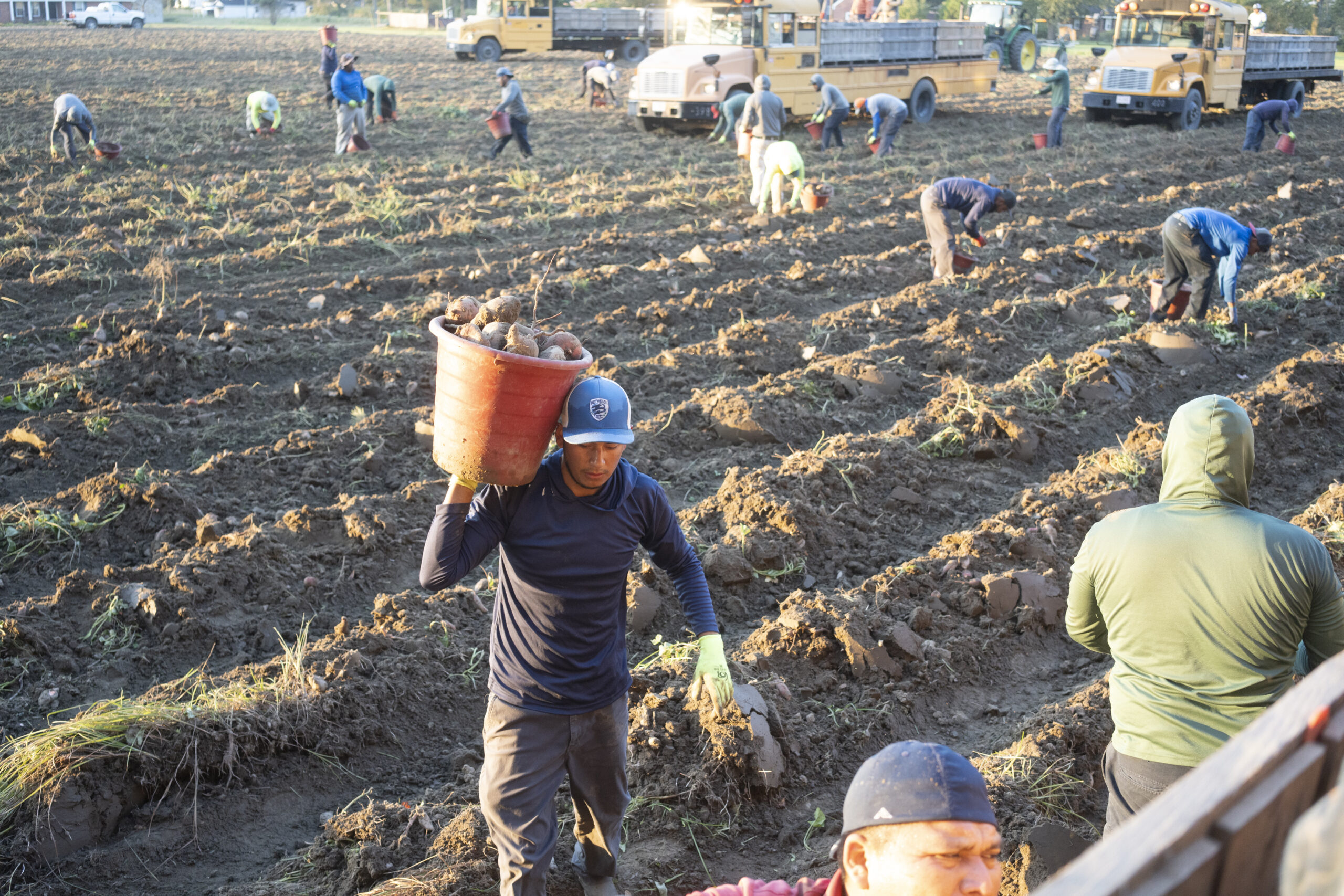
Los trabajadores agrícolas, al igual que todos los demás, merecen trabajar de forma segura, con un salario justo, sin temor y con dignidad. Pero la realidad es que el sistema alimentario industrial a menudo priva a los trabajadores agrícolas de sus derechos legales y humanos. La aislamiento y la falta de equilibrio de poder dificultan que los trabajadores aboguen por un mejor trato.
Todos los días se violan los derechos de los trabajadores en el sistema alimentario dominante, que se basa en explotar a los trabajadores para obtener el máximo beneficio. Una gran parte de este abuso ocurre lejos de la vista de la mayoría de la gente: en campos remotos y campamentos agrícolas. Aquellos que se benefician de la explotación prefieren mantener las cosas así.
Un ejemplo impactante del abuso a que son sometidos los trabajadores agrícolas fue revelado por una investigación federal de varios años llamada “Operación Cebolla en Bloqueo”. La investigación y Accusación Desveló una conspiración de varios años para traficar y explotar a trabajadores agrícolas en el programa de trabajadores temporales H-2A.
Estos trabajadores fueron detenidos en “la esclavitud moderna.Los conspiradores que reclutaron y explotaron a estos trabajadores confiscaron sus teléfonos y documentos, robaronles los salarios y los obligaron a vivir en miserables campos de trabajo rodeados de cercas electrificadas. Amenazados con un arma, los trabajadores fueron obligados a cavar cebollas a mano para solo veinte centavos por cubo. Muchos sufrieron violencia física y sexual. Muchos murieron.
La Operación Blooming Onion reveló un caso particularmente brutal de abuso contra los trabajadores agrícolas, pero historias como esta se encuentran en todo el país. Los trabajadores agrícolas son particularmente vulnerables a la explotación porque viven y trabajan en entornos remotos e aislados. Debido a que los campos agrícolas suelen estar muy lejos de las ciudades, muchos trabajadores viven en campamentos de trabajo propiedad de sus empleadores cerca de sus lugares de trabajo. La distancia, combinada con las largas horas de trabajo y la falta de transporte, puede hacer extremadamente difícil para los trabajadores acceder a cuidados y servicios esenciales.
Por eso es tan importante que las personas que brindan servicios puedan llegar a los trabajadores agrícolas en sus lugares de residencia. Cuando abogados, médicos, profesores, clérigos y otros proveedores de servicios pueden reunirse con los trabajadores en el lugar donde se encuentran, pueden ayudarles a obtener el cuidado y la protección que necesitan.
Los abogados pueden informarlos sobre sus derechos y ayudarles a iniciar acciones legales cuando se violen estos. Los profesionales de la salud pueden tratar las lesiones y enfermedades que resultan de un trabajo excesivo o de condiciones de vida inadecuadas.
Aunque los trabajadores agrícolas a menudo excluidos de importantes protecciones legales, Existen algunas leyes y reglamentos para proteger sus derechos. Esto incluye su derecho a reunirse con los proveedores de servicios.
El gobierno de Biden finalizó una norma que garantizaría a los trabajadores temporales las protecciones básicas en el lugar de trabajo, como el derecho a reunirse con los huéspedes en los campamentos laborales. Cuando estados liderados por republicanos y organizaciones del sector agropecuario presentaron demandas judiciales para impugnar estas nuevas normas, FarmSTAND intervino. Representamos a los trabajadores agrícolas y a los defensores de los trabajadores agrícolas en estos casos para defender la norma.. Desafortunadamente, la Administración Trump se niega a hacer cumplir la norma Biden o a defenderla en los tribunales. A medida que prosiga el litigio, FarmSTAND y nuestros clientes seguirán luchando por estas importantes protecciones.
En 2021, la legislatura de Colorado aprobó una histórica Ley de Derechos de los Trabajadores Agrícolas que garantiza que los trabajadores agrícolas puedan acceder a servicios esenciales sin interferencia ni intimidación por parte de sus empleadores. Nuestros aliados en División de Trabajadores Migratorios de la Agricultura de Servicios Legales de Colorado Sabían lo importante que era esta nueva ley. El personal de Colorado Legal Services brinda servicios esenciales a los trabajadores agrícolas del estado. Realizan visitas de divulgación cada año a los campamentos laborales para hablar con los trabajadores que pueden necesitar asistencia legal.
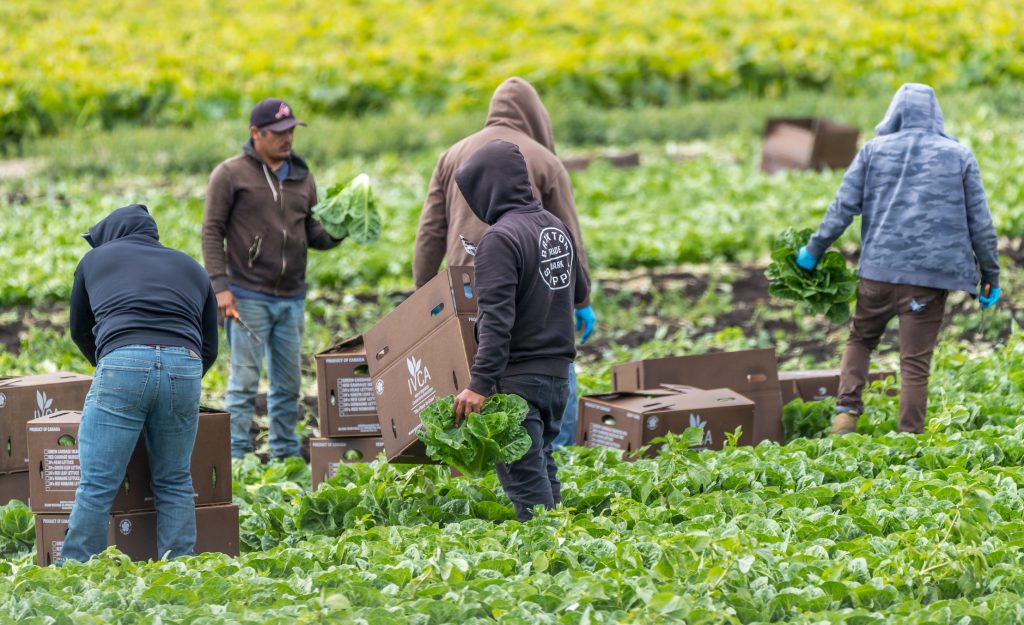
Los abogados y el personal de CLS saben lo difícil que puede ser acceder a los campamentos. A menudo se encuentran con empleadores que intentan intimidarlos, les dicen que no pueden visitar a los trabajadores y intimiden a los trabajadores para que no se sientan seguros al hablar con los visitantes. La Ley de Trabajadores Agrícolas de 2021 marcó un verdadero progreso en garantizar que pudieran realizar su trabajo.
Pero los intereses del agronegocio no estaban contentos con las nuevas leyes. Presentaron dos demandas judiciales para intentar derrocar la ley. FarmSTAND y CLS respondieron. Intervinimos en ambos casos para defender la ley como constitucional y aplicable a la ley. Nos impidieron — ambos casos fueron desestimados.
En 2025, la legislatura de Colorado En error, se eliminaron algunas protecciones del Bill of Rights para trabajadores agrícolas. Pero la legislatura preservó claramente las partes de la ley que obligan a los empleadores a permitir que los trabajadores agrícolas reciban visitas en los alojamientos propiedad de sus empleadores. Esta protección sigue vigente y sigue siendo aplicable.
CLS y FarmSTAND sabían que teníamos que enviar un mensaje claro a los empleadores del sector agrícola: deben seguir cumpliendo la ley y permitir la entrada de visitantes en los alojamientos de los empleados. Así que, en 2025 nos presentamos en un proceso judicial contra una granja y un contratista de mano de obra agrícola en Center, Colorado, por obstruir ilegalmente las visitas de CLS a los trabajadores en ese campo de trabajo.
Sea quien sea el empleador o los trabajadores, la posibilidad de que estos tengan visitas es esencial para su dignidad, seguridad y los derechos garantizados por la Primera Enmienda. Cualquier intimidación, en cualquier lugar, constituye un atentado contra los derechos de todos los trabajadores agrícolas.
Tal como se detalla en nuestra queja, Este aislado campo de trabajo está rodeado por un muro de alambre de púas. En los últimos años se han reportado casos de trabajadores que no recibían suficiente comida. Para ayudarlos, los miembros de la comunidad tuvieron que tirar bolsas de comida por el muro. Un trabajador informó que necesitaba atención médica pero que tenía miedo a salir del campo. Consideró que hacerlo podría comprometer su empleo, su autorización para trabajar y su sustento.
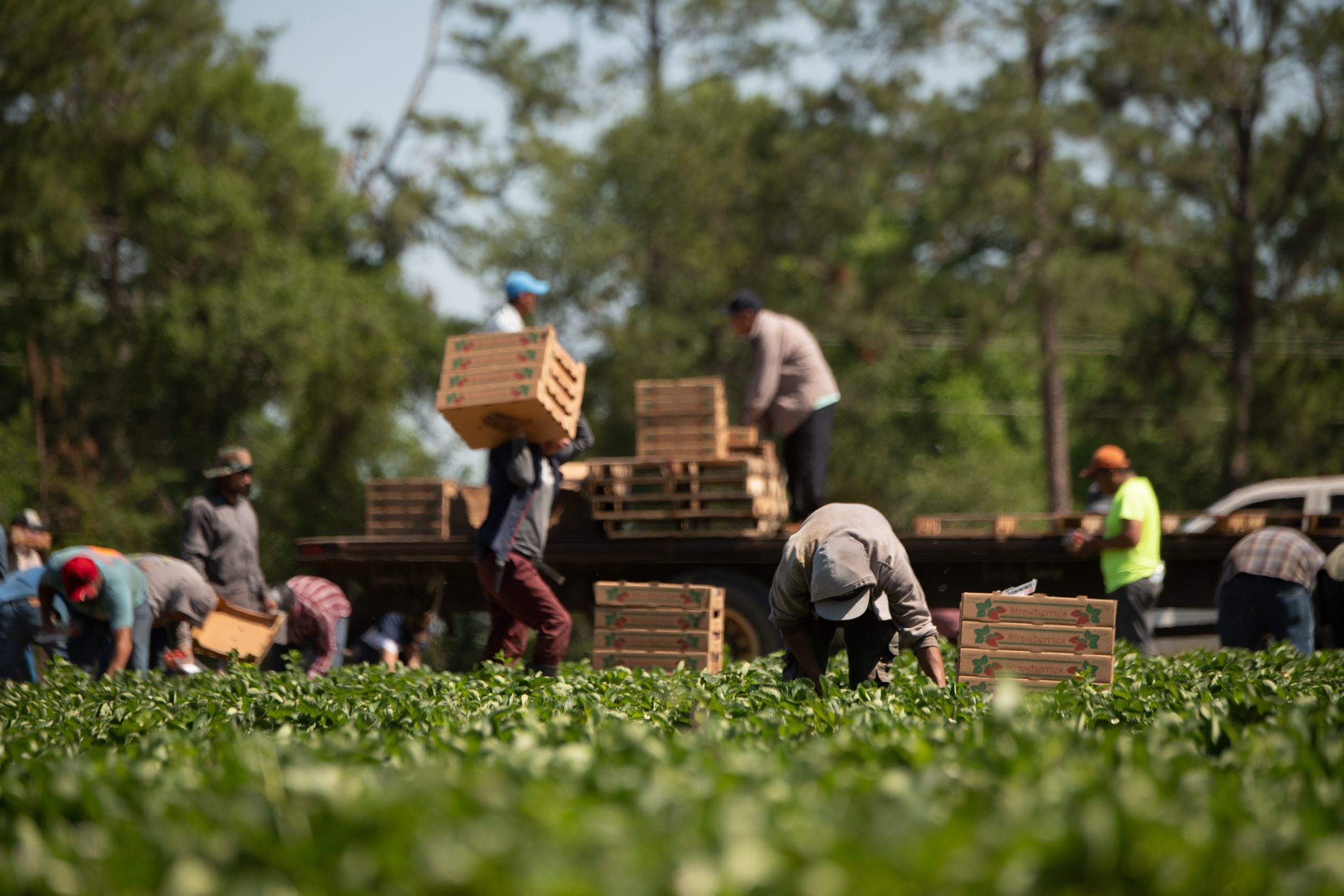
Colorado Legal Services ha intentado desde hace tiempo ofrecer servicios a los trabajadores de este campo de trabajo. Pero cada vez que han intentado visitarlo, los agentes del campo han interrumpido la conversación, escucharon sin permiso, han hecho exigencias irrazonables y han intentado intimidar al personal de CLS para que abandonara el lugar. Según la denuncia, más de una vez los agentes han sugerido que las trabajadoras del CLS eran trabajadoras sexuales, y no profesionales legales.
Este patrón de intimidación e injerencia es inaceptable y es contrario a la ley. Hemos iniciado acciones legales contra esta granja y el contratista de mano de obra para proteger los derechos y la dignidad de los trabajadores agrícolas de Colorado. La demanda también tiene como objetivo garantizar que CLS pueda realizar su trabajo crucial en el campo.
A medida que se pone en marcha la temporada laboral de verano, estamos decididos a garantizar que CLS pueda realizar su trabajo en este campo de trabajo este verano, a pesar de que nuestro caso siga avanzando en los tribunales. Hemos presentado una moción para obtener una medida cautelar. Esta moción pide al tribunal que ordene a la empresa y al operador que no interfieran con las visitas de CLS.
La gran industria agrícola prospera gracias al secreto, ocultando sus graves abusos contra los trabajadores. Ella espera que lo que no se pueda ver no se detenga, ni por parte de los trabajadores empoderados, ni por parte de los defensores de los derechos humanos, ni por parte de funcionarios gubernamentales ni de las comunidades interesadas.
Los trabajadores de servicios de extensión son una parte fundamental para empoderar a los trabajadores de la alimentación. Personas como el dedicado personal de CLS suprimen la brecha entre los trabajadores aislados y los servicios que merecen para vivir una vida saludable, segura y digna. En FarmSTAND nos comprometemos a utilizar la ley para proteger y ampliar las cosas importantes que grupos como CLS hacen por los trabajadores.