Los contaminadores más grandes recurren cada vez más a la estrategia SLAPP y a la Anti-SLAPP para eludir la responsabilidad legal.
Por Skye Walker
Becario legal
En FarmSTAND, nosotros Defender el derecho de los ciudadanos a criticar a la gran industria agrícola y exigir responsabilidad a su gobierno y a su sistema jurídico. Es un derecho que está bajo ataque por parte de la Administración Trump, que ha encontrado nuevas y innovadoras formas de silenciar a quienes hablan sobre temas que Trump considera contrarios a su agenda política conservadora. “Strategic Lawsuits Against Public Participation” o SLAPP por sus siglas en inglés, por su parte, también obstaculiza el compromiso cívico y la rendición de cuentas democrática.
Los SLAPP son casos frívolos presentados no para resolver un conflicto o proteger algún derecho legal legítimo, pero en realidad esconde a sus críticos bajo la carga de los costos legales y los intimida para que se silencien. Estas demandas, presentadas por personas o empresas poderosas, a menudo afirman daños a la reputación de esa persona o empresa o la interferencia en sus intereses económicos.
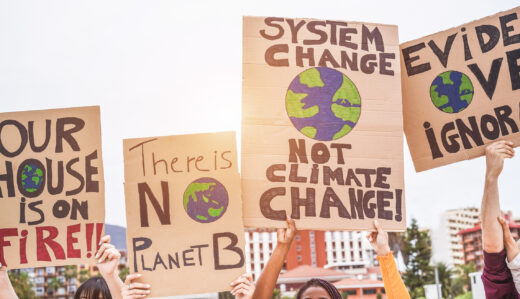
Por supuesto, El verdadero poder en el SLAPP no radica en ganar un caso, sino en castigar y disuadir a quienes se atreven a ejercer su derecho a la Primera Enmienda y a expresar sus opiniones sobre asuntos de interés público. Si bien los pleitos SLAPP no son algo nuevo, últimamente han ganado popularidad como una táctica que las empresas de combustibles fósiles utilizan para castigar a activistas, ONG y hasta líderes políticos por sus acciones en oponerse públicamente a políticas y prácticas que perjudican el medio ambiente o empeoran el cambio climático.
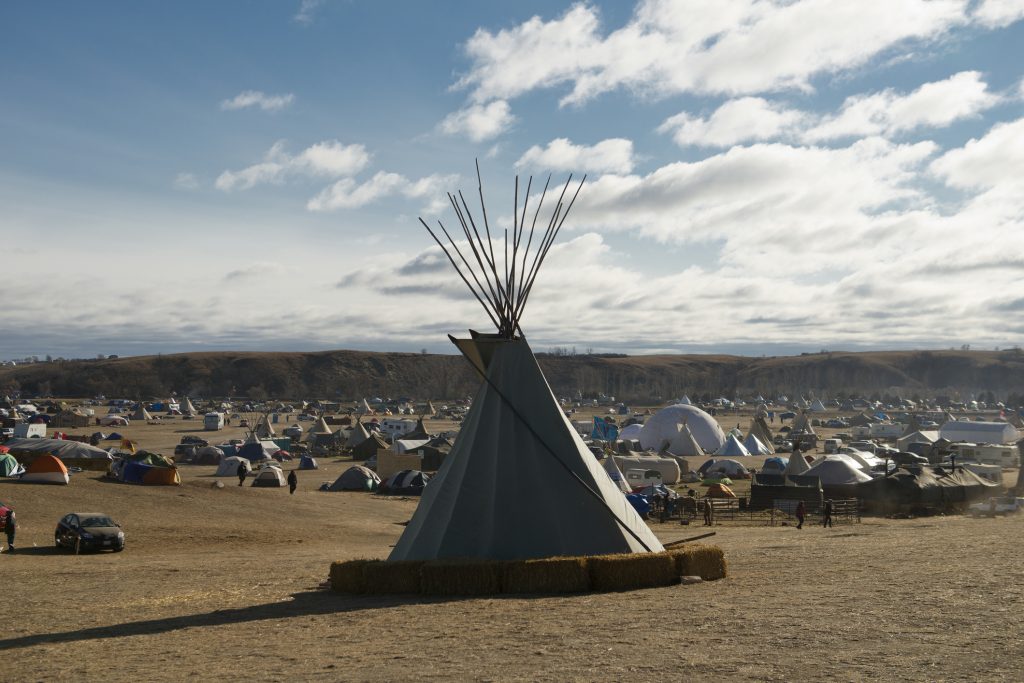
El mes pasado, la gravedad del SLAPP se hizo evidente cuando un jurado en North Dakota condenó a Greenpeace. responsable de más de $660 millones en daños en un caso de difamación proporcionado por la empresa de gasoductos con sede en Texas, Energy Transfer. La empresa había acusado a Greenpeace de desempeñar un papel central en la organización de la resistencia al oleoducto Dakota Access en Standing Rock en 2016 y 2017, donde la tribu Sioux de Standing Rock lideró las protestas.
El veredicto del jurado se produjo tras una Un juicio profundamente defectuoso Y es un ejemplo sombrío de lo peligroso que puede ser el SLAPP cuando lo utilizan poderosos intereses corporativos con la misión de hacer caer en bancarrota a sus oponentes.
Lamentablemente, Energy Transfer no es la única. ExxonMobil, una de las mayores empresas petroleras y gaseras del mundo y fabricante de productos químicos, recientemente acusado El fiscal general de California y varios grupos ambientales, como el Sierra Club, San Francisco Baykeeper, Heal the Bay y la Fundación Surfrider, presentaron cargos por difamación y desacreditación comercial, entre otras cosas.
La demanda se produjo poco después de que esos mismos grupos acusó a Exxon de engañar al público Sobre la reciclabilidad de los polímeros plásticos de la empresa —los componentes básicos del plástico de un solo uso—. La acción legal sin fundamento de Exxon acusa al Fiscal General y a grupos ambientales de “utilizar campañas de difamación (y litigios legales) para promover la política, la publicidad y el propio beneficio”.”
Al presentar demandas SLAPP como esta, Las corporaciones principalmente responsables de la catástrofe global del cambio climático están actuando como víctimas y emprendiendo acciones en contra de pequeñas organizaciones sin fines de lucro dedicadas a mantener nuestros océanos limpios y aptos para la natación..
Incluso Trump mismo ha recurrido a tácticas SLAPP en un reciente caso. vestido Atacando a un encuestador de Iowa por una predicción electoral incorrecta, que Trump calificó de “engañosa” y “práctica corrupta” destinada a “influir en el resultado de las elecciones presidenciales de 2024”.”
La buena noticia? A partir de enero de 2025, 35 estados y el Distrito de Columbia lo tienen anti-SLAPP Las leyes están en vigor. Estas leyes brindan a los tribunales la oportunidad de desestimar las demandas SLAPP en una etapa temprana del caso, antes de que las costas legales se acumulen. Además, muchas leyes contra la SLAPP ofrecen otras protecciones, como permitir que los demandados recurran rápidamente a una decisión negativa sobre la SLAPP o recuperen los honorarios de litigio una vez que la SLAPP sea desestimada.
Frustrante, pero quizás no sorprendente, algunas de las mismas empresas que utilizan el SLAPP como arma también invocan simultáneamente las leyes contra el SLAPP como escudo cuando actúan en contra de él. sí mismos se someterán a un escrutinio legal.
El resultado es un panorama jurídico distorsionado en el que los poderosos pueden tanto atacar como defenderse: silenciando a los críticos mediante SLAPPs mientras se eximen de las demandas legítimas de interés público presentadas contra ellos.
FarmSTAND ha experimentado esto de primera mano. Representamos a una clase de clientes de servicios públicos El traje de greenwashing Contra la Northwest Natural Gas Company, cuyo programa Smart Energy prometía “compensar” las emisiones de gas natural de los clientes a cambio de una tarifa. En la práctica, Northwest Natural utilizó esas tarifas para financiar digestores de estiércol en granjas industriales como Threemile Canyon Farms, donde más de 61.000 vacas producen entre 9 y 16 millones de libras de metano al año.
En un flagrante abuso de la ley anti-SLAPP de Oregón, Northwest Natural Gas afirmó que nuestro La demanda de protección al consumidor es un SLAPP diseñado para silenciar su discurso sobre asuntos de interés público. Se puede decir con seguridad que nuestro caso —que impugna las representaciones engañosas de la empresa sobre su producto comercial— es lejos de un SLAPP.
Esta creciente audacia de las empresas para silenciar el activismo a través de los tribunales está estrechamente vinculada a los ataques sin piedad de Trump contra la expresión de opiniones que no comparte., Incluyendo a periodistas, funcionarios federales de salud, diplomáticos, profesores, científicos del clima y la comunidad LGBTQ+.
Al detener y deportar a estudiantes propalestinos, prohibir libros y atacar las oportunidades de aprendizaje en escuelas, bibliotecas y museos sobre las raíces racistas, sexistas y opresivas de Estados Unidos, ordenar a los empleados federales que cesen las comunicaciones sobre temas como diversidad, equidad e inclusión y justicia ambiental, y pedir la inclusión en la lista negra de bufetes de abogados y la destitución de jueces que han frenado el poder de Trump, el presidente pretende suprimir deliberadamente ideas que considera amenazantes para sus intereses o el statu quo.
Al igual que los casos de SLAPP y el uso indebido de salvaguardas contra estos casos, las medidas políticas de Trump para frenar la libertad de expresión amenazan los derechos individuales y el propio discurso democrático. Cuando la gente teme represalias por defender sus derechos, la conversación pública se ve afectada.
En el ámbito agrícola, los trabajadores del sistema alimentario que experimentan condiciones laborales inseguras o injustas pueden tener dificultades para expresar su oposición contra su empleador o las autoridades reguladoras. Las ONG ambientales y de bienestar animal pueden autocensurarse, pensando dos veces antes de criticar a una empresa por vertir sus residuos de granja en un arroyo cercano o por violar las leyes relativas a la crueldad animal. Los periodistas pueden abstenerse de realizar el tipo de reportajes de investigación que han contribuido a poner en evidencia nuestro sistema alimentario profundamente defectuoso y que seguirá haciéndolo. Los líderes de las comunidades con las que FarmSTAND colabora pueden evitar organizar eventos. Tras el Greenpeace La decisión y la serie de órdenes ejecutivas de Trump, ¿quién podría culparles?
Una cosa sigue siendo cierta: puedes confiar en que FarmSTAND aparecerá en los tribunales y en las comunidades para luchar por lo correcto. Trabajamos para proteger a los ciudadanos contra los ataques gubernamentales contra la libertad de expresión y el activismo, para aumentar la conciencia sobre el aumento de los SLAPPs y el uso perverso de las leyes contra estos abusos, y para proporcionar a los defensores el apoyo legal y las redes de solidaridad necesarias para resistir estas tácticas.