By Georgia Tuckerman, Spring 2026 Legal Intern
A fair food system produces food that is nourishing and safe to eat. That food emerges from soil that is fertile and rich, rather than depleted by cancer-causing pesticides and herbicides. In a fair food system, the farmworkers that harvest our food are treated with dignity and fairly paid. And those farmworkers do not face life-threatening dangers as they work to put food on the table for their families and for ours.
It is easy to sit down at the dinner table each night without thinking about where our food came from, or how it arrived at our plates. I imagine most Americans would be appalled to learn that the food in front of them could have been harvested by a child. Children as young as 12 can legally work in agriculture. In practice, children younger than 12 often work on farms because of lax oversight and enforcement.
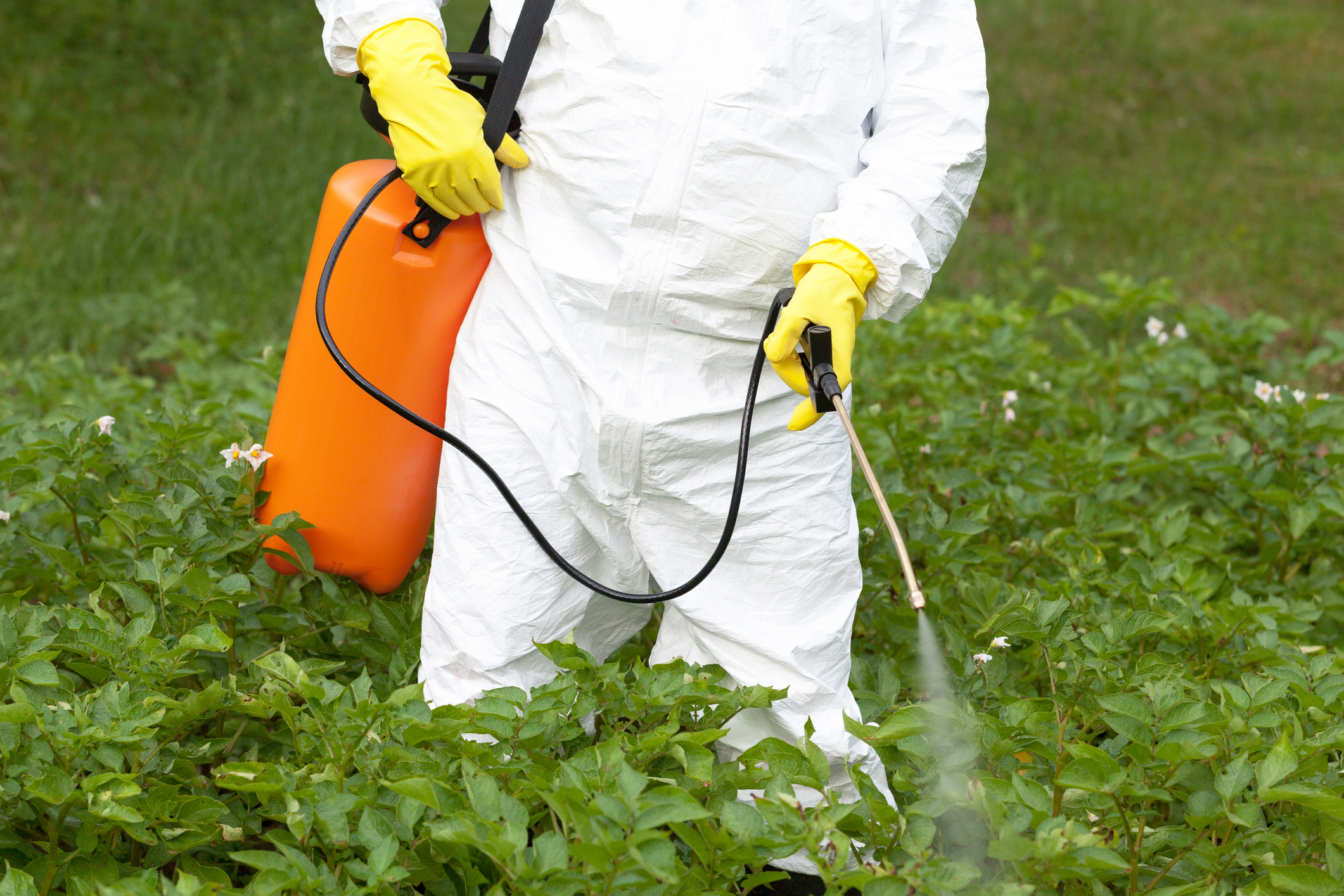
Many also overlook our food system’s overreliance on noxious pesticides, many of which are banned around the world. Paraquat, for instance, is widely used in the U.S. but is banned in over 70 countries. It is linked to Parkinson’s disease, non-Hodgkin lymphoma, and childhood leukemia. Glyphosate, the most common pesticide in America, is linked to cancer y damage to DNA in humans.
The combination of America’s dependence on these dangerous chemicals, along with Big Ag’s child-labor loophole, creates a perfect storm. Children, with underdeveloped organs and immune systems, work near toxins that their still-developing bodies are less capable of processing. This puts them in danger of lasting harms, like cancer and neurological damage.
At the heart of the issue are corporations that value profits above all else and the politicians who enable them.
Child labor laws exempt children working in agriculture from the protection guaranteed to children in virtually every other industry. Under the Fair Labor Standards Act, children as young as 12 can work unlimited hours in non-hazardous jobs on farms, so long as they have parental consent and work outside school hours. This means preteens work tirelessly on weekends and school vacations. At 16, children in agriculture can do full-time, hazardous work. In other sectors, workers must be at least 18 to perform hazardous work. Big Ag takes advantage of our weak child labor laws to exploit migrant children in particular, many of whom grow up in poverty and work to support their families.
This exemption is a striking example of agricultural exceptionalism — a phenomenon where federal and state governments refuse to apply basic laws to agriculture that apply to all other industries. Agricultural exceptionalism has its roots in racist policies meant to exploit Black workers, and it continues to harm farmworkers who are overwhelmingly Black, Latino, or non-US citizens.
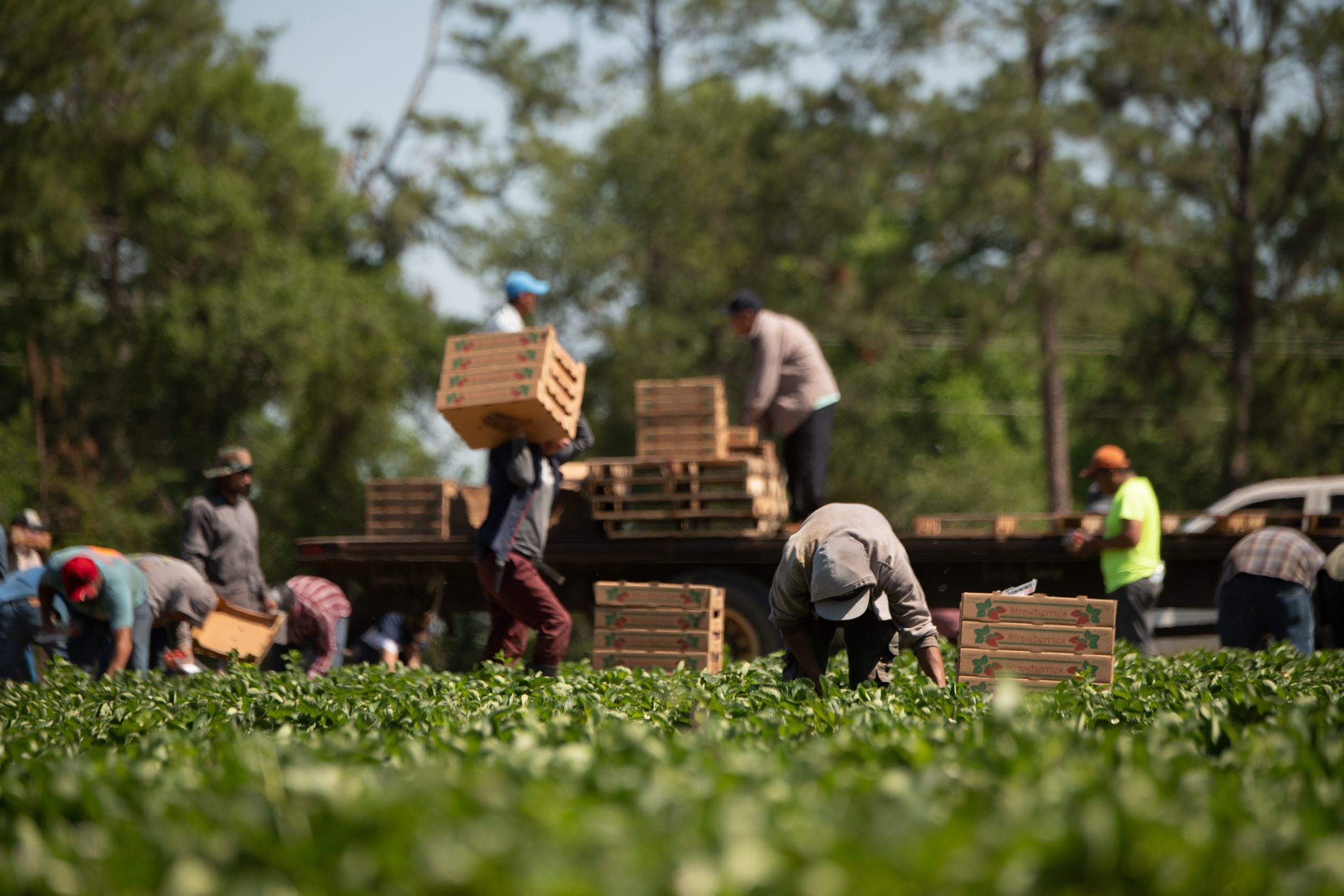
To make matters worse, the “hazardous” distinction and school hour and consent requirements are weak guardrails to protect kids. “Non-hazardous” work still includes livestock handling like feeding, cleaning, and herding animals that can kick, bite, and trample children. It includes collecting eggs and poultry, which exposes children to pathogens like salmonella. “Non-hazardous” work also includes long hours harvesting crops under the barrage of extreme heat, sun exposure, and dehydration. The fields where children labor are often heavily treated with pesticides, which children inhale and touch while handling crops. And in many cases, children working at ages younger than 12 because of minimal government oversight are left unprotected by the minimal protections that do exist.
Child labor exemptions, however, are not enough for Big Ag. Now, it hopes to escape responsibility for its products causing cancer. On April 27, 2026, the Supreme Court will hear Monsanto Company v. Durnell, a case about whether federal pesticide labeling law preempts state failure-to-warn lawsuits. Durnell developed non-Hodgkin lymphoma, a type of blood cancer, after using Roundup weedkiller, which contains glyphosate. He sued, and a Missouri jury awarded him $1.25 million, finding that Monsanto failed to warn him of the product’s cancer risks.
Bayer, Monsanto’s parent company, has already paid over $10 billion to settle claims that Roundup and glyphosate caused cancer. The World Health Organization’s International Agency for Research on Cancer (IARC) concluded that glyphosate is probably carcinogenic to humans. Now, Monsanto is asking the Supreme Court for immunity from lawsuits brought by farmers and consumers who developed cancer after using its product.
Monsanto and Big Ag industry groups like the Farm Bureau like to pretend that their business benefits all — to feed the world, they say, American farmers need Roundup, and the health impacts aren’t really so bad anyway.
But FarmSTAND and real farmers are standing up to these lies. On behalf of farm and farmworker organization, FarmSTAND filed a “friend of the court” brief with the Supreme Court, calling out that Monsanto’s chief concern is corporate profits, not protecting famers, farmworkers, and their communities.
Our government should act to protect vulnerable people from harm. Instead, Big Ag’s strong influence over the Trump Administration and regulators results in policies that prioritize corporate interests over public health. The federal government defends Monsanto and promotes Roundup sales. Despite IARCs research and other countries restricting its use, the EPA maintains that glyphosate is not likely to be carcinogenic to humans.
In February, President Trump issued an executive order to increase production of glyphosate-based herbicides. And at the Supreme Court, Solicitor General of the United States John Sauer went to bat for Monsanto, urging the Court to review the case and rule in Monsanto’s favor. If Monsanto (and the federal government) gets their way, Monsanto will effectively be saved from facing many future lawsuits. The critical legal theory in Roundup litigation, the one Durnell’s case relies on, could vanish. Bayer itself has proudly stated that victory at the Supreme Court would “significantly contain” Roundup lawsuits.
El stakes are high for child farmworkers. The EPA itself says children have developing nervous, immune, and digestive systems, making it more difficult for them to detoxify and excrete foreign chemicals. Without strong defenses, children exposed to pesticide chemicals face an elevated risk of developing severe diseases later in life. That’s why our nation’s laws and regulations ought to shield children from exposure to chemicals their bodies cannot protect themselves from. If Monsanto prevails, farmworkers that develop cancer will largely lose their right to sue, and the children and families who live near glyphosate-sprayed fields will suffer as Monsanto enjoys impunity for its harms.
Our food system shouldn’t be controlled by powerful corporations who re-write the rules to escape responsibility for harm they cause.
FarmSTAND is fighting for a fair and healthy food system that protects everyone, especially vulnerable children. That’s why we’ve asked the Supreme Court to listen to the real people who make up our food system, not the corporate executives who exploit us for profit. It’s also why we work to bring attention to the gaping holes in labor laws, such as child labor bans and overtime requirements, that exempt farm work from protection.
We need better laws and enforcement that stop Big Ag from exploiting children for profit. Lawmakers must close the loopholes in child labor laws, which put children in danger and at risk for deadly diseases later in life. The Supreme Court must reject Monsanto’s appeal and preserve state failure-to-warn claims. At FarmSTAND, we will remain on the front lines, refusing to give Big Ag a free pass to endanger its workers.