Por Amal Bouhabib
Abogado Senior de la Planta
A finales de enero y principios de febrero de 2026, dos tribunales federales de ambos lados del país detuvieron los esfuerzos de la administración Trump para revocar el Estatus de Protección Temporal (TPS) para los haitianos. 350.000 haitianos Para quienes se apoyan en el TPS para vivir y trabajar legalmente en los Estados Unidos, estas decisiones ofrecen una brecha frágil de esperanza. La administración podría ganar apelación, aunque no tiene la ley a su favor.
Es probable que otro grupo también tenga más tranquilidad, aunque por razones diferentes: la gran industria agropecuaria.
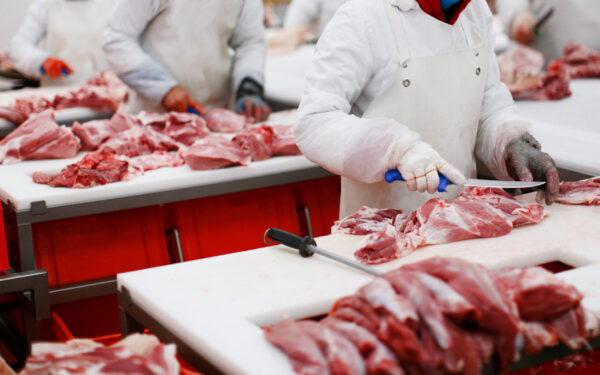
Los titulares de la TPS de Haití, al igual que muchos inmigrantes, son esenciales para la producción alimentaria estadounidense. Trabajan en líneas de sacrificio, en plantas avícolas y en almacenes de procesamiento de alimentos. Estos trabajos son brutales, propensos a lesiones y esenciales. En particular, la industria avícola y la de procesamiento de carne dependen en gran medida del trabajo de los haitianos. En algunos estados, los haitianos representan hasta un 15 a un 30 por ciento de la fuerza laboral de la industria de la carne.
El TPS fue creado por el Congreso para evitar que la gente sea obligada a regresar a países devastados por desastres o conflictos. Para los haitianos, proporcionó una salida a lo que el Secretario General de las Naciones Unidas describió en 2025 como “Una tormenta perfecta de sufrimiento.” Haití está experimentando el colapso de la autoridad estatal y una violencia de las pandillas desenfrenada, que incluye masacres, asesinatos, violencia sexual, reclutamiento de niños y desplazamientos masivos. Repetidos desastres ambientales, como un gran terremoto en 2021 y graves inundaciones en 2025, han agravado la crisis. Aproximadamente seis millones de personas están experimentando una inseguridad alimentaria aguda y una emergencia humanitaria.

El Departamento de Estado de Estados Unidos ha emitido su la máxima alerta de viaje En el caso de Haití, advirtió a los ciudadanos que no viajaran a ese país debido a “secuestros, delincuencia, actividad terrorista, disturbios civiles y una atención sanitaria limitada”. Esa recomendación se mantuvo vigente cuando la Secretaria de Seguridad Nacional, Kristi Noem, a instigación de Trump, decidió poner fin a la TPS para los haitianos el año pasado. Ignorando las pruebas del colapso humanitario de Haití, Noem concluyó en 2025 que “no existen condiciones extraordinarias y temporales en Haití” que impidieran que los titulares de TPS “regresaran a la seguridad”.”
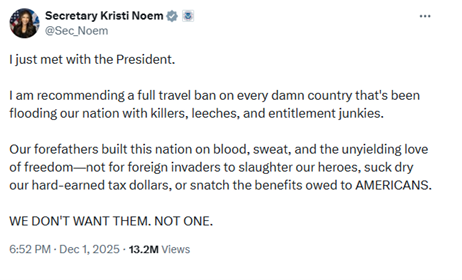
Si Noem intentó parecer profesional en sus declaraciones oficiales, no hizo ningún esfuerzo para ocultar su racismo y sus teorías conspirativas en X. Las declaraciones que publicó apenas unos días después de retirar la TPS para los haitianos dejaron pocas dudas sobre el prejuicio y el odio que impulsaban esa política.
La ironía es difícil de ignorar. Los titulares de la TPS haitianos, y los inmigrantes como ellos, sostienen a Estados Unidos gracias a su trabajo. Y la gran industria agrícola lo sabe muy bien.
Los trabajadores del programa de protección temporal (TPS) de Haití son esenciales para el sistema alimentario, y merecen ser tratados con respeto y equidad en el trabajo. Ése es el motivo por el cual FarmSTAND, Towards Justice y Nichols Kaster presentaron una Acción judicial colectiva en nombre de trabajadores haitianos en una planta de empaque de carne de JBS en Greeley, Colorado en diciembre.
La demanda alega que JBS explotó a los trabajadores haitianos a través de un sistema de reclutamiento basado en la mentira. Les prometieron empleos seguros, vivienda adecuada y condiciones humanas, pero en realidad impuso velocidades de línea peligrosamente altas, una capacitación inadecuada, trato discriminatorio e incidentes laborales graves. JBS aprovechó las barreras lingüísticas, la segregación racial y la situación migratoria para obtener la mano de obra que necesitaba, minimizando al mismo tiempo su responsabilidad hacia los trabajadores y la ley.
JBS reconoció hace mucho tiempo que la mano de obra inmigrante, especialmente los refugiados recién llegados con autorización laboral, podía cubrir las crónicas escasez de mano de obra en sus plantas, minimizando al mismo tiempo el riesgo de que la aplicación de la ley sobre inmigración afectara sus operaciones. Durante décadas, JBS y otros gigantes del sector cárnico han construido sistemas de reclutamiento a través de organismos de reasentamiento de refugiados, incorporando nuevos grupos de trabajadores a medida que se desarrollaban las crisis globales: Somalia, Sudán, Camboya, Myanmar, Venezuela y Haití. Cada nueva oleada permitió una expansión de la producción, turnos más largos y ganancias en aumento.
La decisión de esta administración de enfocarse no solo en los inmigrantes indocumentados, sino también en los trabajadores legalmente presentes con TPS y otras formas de protección humanitaria, amenaza con arruinar este sistema.
El pasado julio, por ejemplo, una planta de JBS en Iowa despidió a cientos de trabajadores de Cuba, Venezuela, Haití y Nicaragua, según estimaciones El 10 por ciento de la fuerza laboral, Después de que la administración les revocara los visados. Algunos de ellos Los trabajadores habían estado allí durante décadas. Trump los consideró “trabajadores esenciales” durante la pandemia de Covid y siguieron trabajando con un gran riesgo personal. Luego, fueron despedidos. Mientras que los líderes locales denunciaban la crueldad de desterrar a trabajadores esforzados y miembros de la comunidad desde hace mucho tiempo, JBS reafirmó públicamente su cooperación con la agenda de aplicación de la inmigración del gobierno.
Por detrás de escena, la situación era diferente. Los líderes de la industria presionaron en silencio para retrasar o atenuar la agenda migratoria de Trump. Sabían que la deportación masiva de trabajadores legalmente autorizados provocaría escasez de mano de obra, ralentizaría la producción y perjudicaría los beneficios. Al mismo tiempo, mientras JBS despedía trabajadores, los ejecutivos de Mountaire Farms, la cuarta compañía de pollo más grande de Estados Unidos y un importante donante de Trump, también estaban preocupados. avisado en privado El secretario de Agricultura de Maryland afirmó que terminar con el TPS podría costarle a la empresa “aproximadamente el 15 por ciento de nuestra fuerza laboral total ... casi 1.300 empleados”.”
Grupos industriales estimaron de forma similar que las revocaciones de visas podrían afectar a un 23 por ciento de la fuerza laboral en la Península de Delmarva, donde se concentra la mayor concentración de productores de aves de corral del país. Análisis se proyectó que la pérdida de trabajadores con TPS podría elevar los precios de los alimentos un 14,5 por ciento para 2028. Cuando esto amenazó sus beneficios, los líderes de la industria, que de otro modo se mantenían en silencio sobre las políticas migratorias de la administración, reconocieron que estaban “compartiendo esto de manera estratégica con los funcionarios electos clave y las agencias cuando sea posible.”
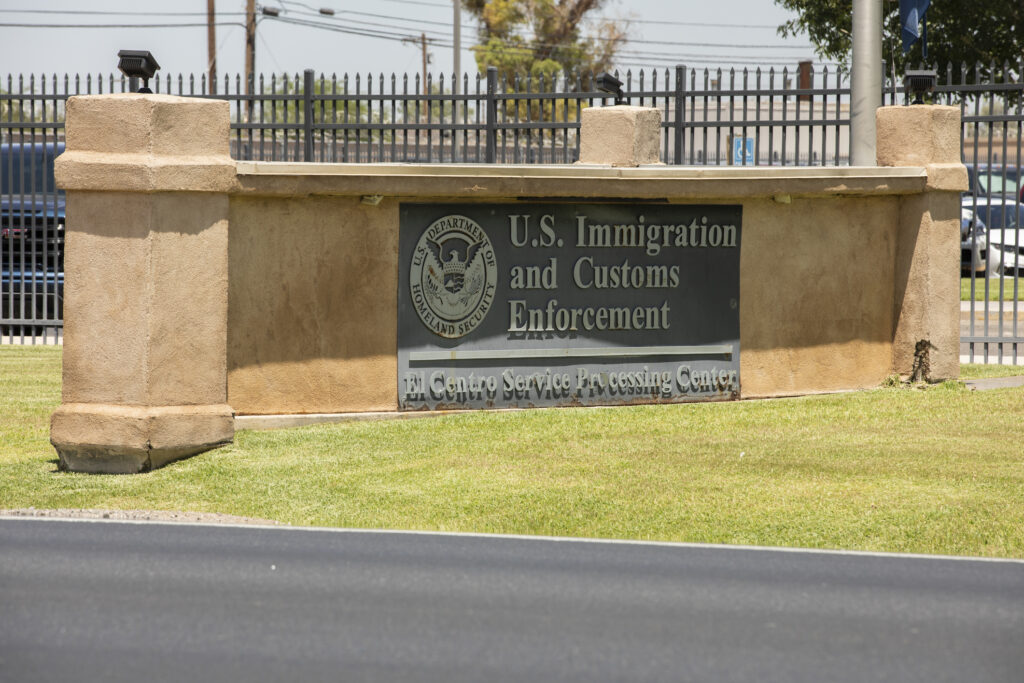
Las políticas de Trump afectan mucho más que a los negocios — tienen un costo humano real. La incertidumbre prolongada que rodea el TPS causa daños duraderos a los inmigrantes haitianos que no saben si perderán sus empleos o su estatus, o incluso peor. Temen la detención, la separación de sus seres queridos y la deportación de vuelta a Haití, que para algunos podría ser una “condena a muerte.”
“Hay situaciones en las que vives y piensas que sería mejor morir que vivirlas”, dice un titular de TPS haitiano dijo Periodistas en Florida. Las acciones indiscriminadas de aplicación de la ley de ICE y los recientes asesinatos en Minneapolis han profundizado aún más esa preocupación. “Están matando ciudadanos estadounidenses”,” dijo Otro haitiano, que es ciudadano estadounidense. “¿Qué me va a pasar? Soy haitiano. Parezco un haitiano.”
Este tipo de miedo es útil para la gran industria agrícola. Ayuda a garantizar que los trabajadores se mantengan en silencio., y haz el trabajo.
Lo que queda claro a partir de las decisiones judiciales, el silencio público de la industria y la presión privada, así como las propias palabras de los haitianos, es lo siguiente: poner fin al programa TPS para los haitianos nunca fue simplemente cuestión de aplicación de la ley en materia de inmigración. Se trataba de utilizar el racismo para hacer la deportación políticamente aceptable, aunque las empresas admitieran en silencio que no podían funcionar sin que los trabajadores fueran los mismos que se venían a la vista. La gran industria agrícola hará siempre todo lo que pueda para preservar un sistema alimentario basado en la mano de obra de personas negras y pardas que considera desechables.
Los tribunales han trazado una línea —por ahora. La cuestión es si seguiremos aceptando un sistema que trata a los trabajadores refugiados e inmigrantes como entradas temporales en lugar de como seres humanos, o si finalmente aceptaremos la verdad de que nuestro sistema alimentario se basa en su trabajo, sus riesgos y sus vidas.
En este clima de miedo y opresión, no podríamos estar más orgullosos de representar a los demandantes en el caso JBS Greeley, quienes han elegido valientemente afirmar sus derechos y su dignidad.