
By Kelsey Eberly
Senior Staff Attorney
At FarmSTAND, we’re optimists. That doesn’t mean we have Pollyannaish hope. It means we lean into the hard work of making tangible change in our food system day by day, person by person, community by community — even when the impacts of our work may not come to fruition for years.
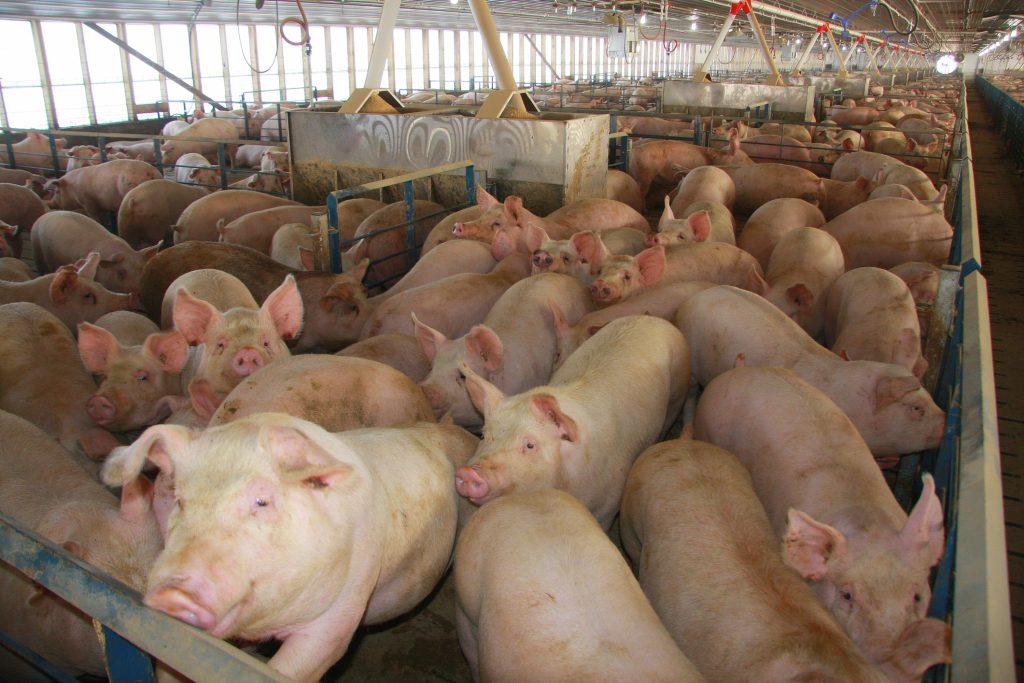
The broken food system we’re trying to dismantle not only harms workers, rural communities, and the environment, but causes almost unimaginable suffering to billions of animals — the chickens, pigs, turkeys, and cows confined in factory farms. Mundane and customary procedures on factory farms are like something out of a horror movie: cutting off animals’ body parts without pain relief, imprisoning pigs in full-body cages so small the animals can’t even turn around, and allowing lame chickens who can’t stand up to starve or die of thirst mere feet from their food and water sources. The industry even grinds up piglet intestines and feces into a slurry to feed back to breeding mother pigs.
Given this reality, it’s not hard to understand why many are desperate to see any change to the status quo. At FarmSTAND, we work alongside animal welfare organizations to unmask and combat the atrocious treatment of animals on factory farms. We sue Big Ag when they mislead the public and expose the abuse they work to keep hidden. And we advocate for state bans on extreme confinement of farm animals, highlighting how Big Ag’s practices not only cause the animals misery, but also facilitate the spread of zoonotic diseases, endangering workers and their communities.
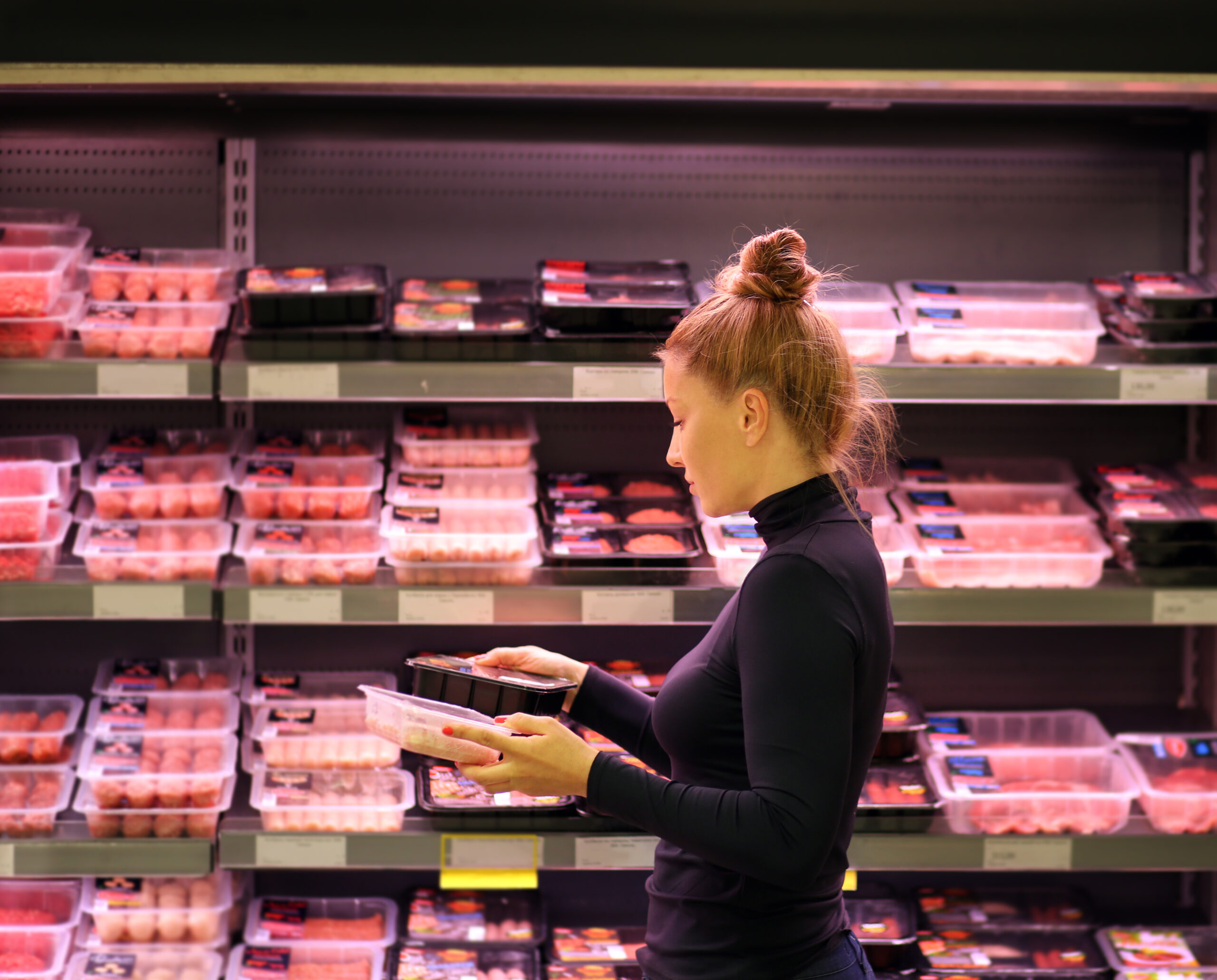
Given the magnitude of the harms, a recent Vox newsletter asked a provocative question: Can you “offset” your meat consumption? As the newsletter explained, one organization is generating buzz by telling people who oppose factory farming that they can cancel out the effects of their meat consumption by donating to a handful of charities. In fact, the organization purports to tell donors precisely how much animal suffering each dollar will alleviate: “It’s like carbon offsets, but for your diet!”
These “offsets” just don’t add up. The logic of meat consumption “offsetting” is particularly blinkered. It’s premised on the flawed notion that people opposed to factory farming (and really, isn’t that the vast majority of us?) have two basic options: changing their diet or donating to an animal welfare charity.
This isn’t the first time we’ve seen offset logic and tools championed by factory farm opponents. Last year, food service giant Compass Group was applauded for purportedly meeting its pledge to phase out eggs from hens confined in tiny cages, because it purchased cage-free “credits.” Compass will continue sourcing eggs from caged hens, but pays egg producers elsewhere to convert to cage-free housing. This, despite national egg behemoth Cal-Maine Foods reaping record profits on skyrocketing egg prices and expanding its cage-free production, apparently without the help of any offset or credit-trading scheme.
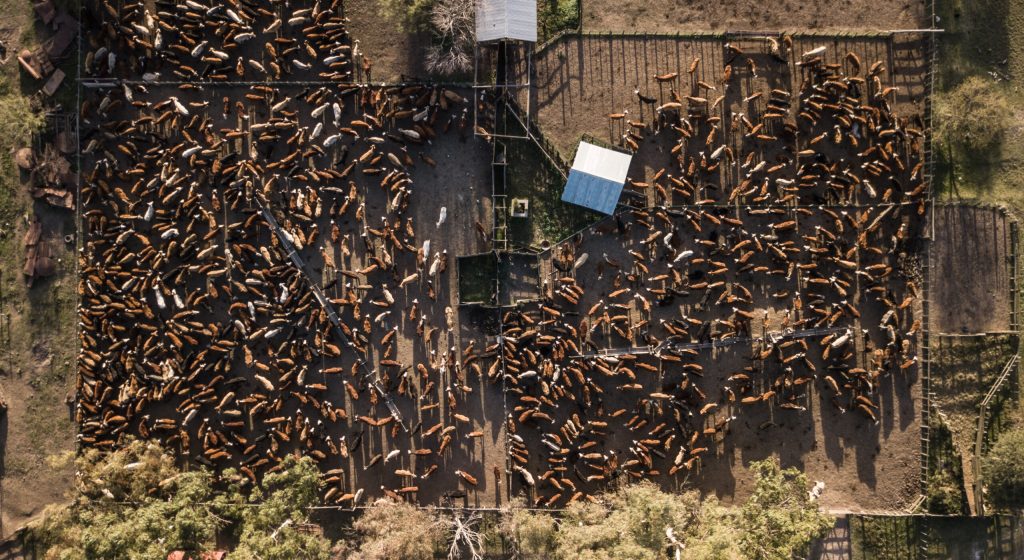
And of course, we’ve heard of carbon offsets and know that they are a tool to preserve the climate change status quo in the guise of a ‘solution’. An opaque and complex network of exchanges, carbon offsets too often serve as a license to keep producing fossil fuels and belching climate pollution today, with an IOU to future generations: climate action someday, somewhere else. And Big Ag is in on the Ponzi scheme. For example, Northwest Natural Gas promised its customers they could pay a modest surcharge to “offset” the climate emissions associated with the fossil natural gas the company sold them. But then it used customers’ money to fund manure “digesters” that reward industrial megadairies’ production of excess methane, a climate superpollutant, and entrench the most climate-polluting waste management method.
Last year we sued to stop that deception, but similar ploys abound. Another agribusiness company recently rebranded an antibiotic that’s been in wide use in the dairy and beef industries for decades as a carbon “inset” (where companies claim greenhouse gas emissions cuts in their own operations rather than funding someone else’s reductions). The idea is that dosing the animals with this antibiotic bolsters efficiency, allowing them to grow faster on less feed. Sound bogus? You bet.
Big Ag would love nothing more than for us to think our power is transactional, individual, and exercised through market mechanisms — that we can spend our way into meaningful change.
In fact, they bank on it, with advertising designed to disguise buying products from the world’s most powerful meat conglomerate as akin to supporting the independent rancher next door and building thriving communities.
But even aside from that, the idea that the harms of industrial meat production can be reduced to animal suffering or climate pollution, and those harms seamlessly negated through a donation to a few charities, ignores and erases industrial meat’s many other, interconnected harms. In what way do these meat consumption “offsets” cancel out Big Ag’s exploitation of workers, rural communities, and farmers?
At FarmSTAND, we know that real change is not single-issue or transactional. It’s systemic and movement-driven.
To break Big Ag’s stranglehold, the question is not what transaction or purchase should I make, but what actions should we take?
How can we lift up those Big Ag considers disposable, and together build a just and humane food system accountable to us, not corporate shareholders?
Everyone should be empowered to seek out and purchase foods that nourish and sustain them and their communities and that align with their culture and values. And organizations doing brave and impactful work to alleviate the suffering of animals in the food system deserve financial support. But please: let’s reject the false dichotomy of diet change vs. donation and the faulty logic of meat consumption “offsetting” and similar ploys.
We don’t need a wonky formula to explain what change looks like, and we won’t let Big Ag fool us with “credit” thinking that frames progress on their terms. We know that working side by side with our allies to expose Big Ag’s animal cruelty and false promises, get workers justice, support independent farmers and ranchers, and stand up for the rural communities Big Ag has betrayed will create the food system we all deserve.