
Por Sylvia Regan
Paralegal de investigación
La agricultura estadounidense depende del crédito tanto como de semillas, suelo, lluvia y sol. Sin crédito, los agricultores no pueden invertir en tractores, ganado o nuevos sistemas de riego. Pueden no sobrevivir a un año difícil de precios bajos o condiciones climáticas adversas.
Pero el crédito agrícola nunca se ha distribuido de manera equitativa. Los miembros de grupos desatendidos —incluyendo personas de color, mujeres y jóvenes o nuevos agricultores— han encontrado desde hace tiempo difícil o imposible acceder al crédito en igualdad de condiciones con sus competidores.
La distribución desigual del acceso al crédito es una de las principales razones por las que la agricultura estadounidense se ha vuelto más blanca, más antigua y más grande.
La concesión de créditos crediticios injustos no solo perjudica a los agricultores que enfrentan discriminación. Los pequeños y medianos agricultores son la columna vertebral de un sistema alimentario vibrante y saludable. Estos productores diversos y independientes ofrecen una alternativa a la gran agricultura: un sistema mejor que cuida a las comunidades locales, a los trabajadores, a los animales y a la tierra.
Pero no podemos combatir la discriminación que no podemos ver. En 2023, el Bureau of Consumer Financial Protection emitió una norma final Esto fue aplaudido por los agricultores y los grupos agrícolas. Finalmente se exige a las instituciones financieras que reporten la demografía de los solicitantes de crédito. La norma debería haberse aplicado ya, pero la CFPB, controlada por Trump, ha dejado de aplicarla.

Los defensores de los derechos civiles y la justicia económica han cuestionado el ataque de la administración Trump contra esto. Regla crítica. Los defensores de la justicia alimentaria, representados por FarmSTAND, presentaron una Breve amicus curiae en el que se argumenta por qué los datos sobre el crédito agrícola son una pieza fundamental para construir un sistema alimentario más justo.
La historia
Para comprender por qué la falta de equidad en el otorgamiento de créditos es una fuerza tan dominante en la agricultura moderna, debemos remontarnos a los orígenes de la esclavitud en los Estados Unidos y a los sistemas establecidos tras la Guerra Civil para mantener las jerarquías racializadas.
La terminación de la Guerra Civil, la Emancipación y la legislación de la Era de la Reconstrucción prometieron a los antiguos esclavos la oportunidad de poseer la tierra en la que habían sido forzados a trabajar durante mucho tiempo. Sin embargo, pocos antiguos esclavos podían permitirse pagar en efectivo por tierras agrícolas. Y el crédito agrícola que existía en los Estados Unidos tras la Guerra Civil se destinaba principalmente a hombres blancos.
En cambio, los agricultores negros tuvieron que financiar sus operaciones mediante hipotecas sobre la cosecha, que forma parte de sistema de arrendamiento agrario esto perpetuó la explotación económica de las personas que habían sido esclavizadas. Los gravámenes sobre los cultivos a menudo venían acompañados de tasas de interés extremadamente altas y otorgaban a los prestamistas un control excesivo sobre los agricultores, lo que impedía a muchos agricultores negros controlar su propio negocio y convertirse en propietarios de tierras.
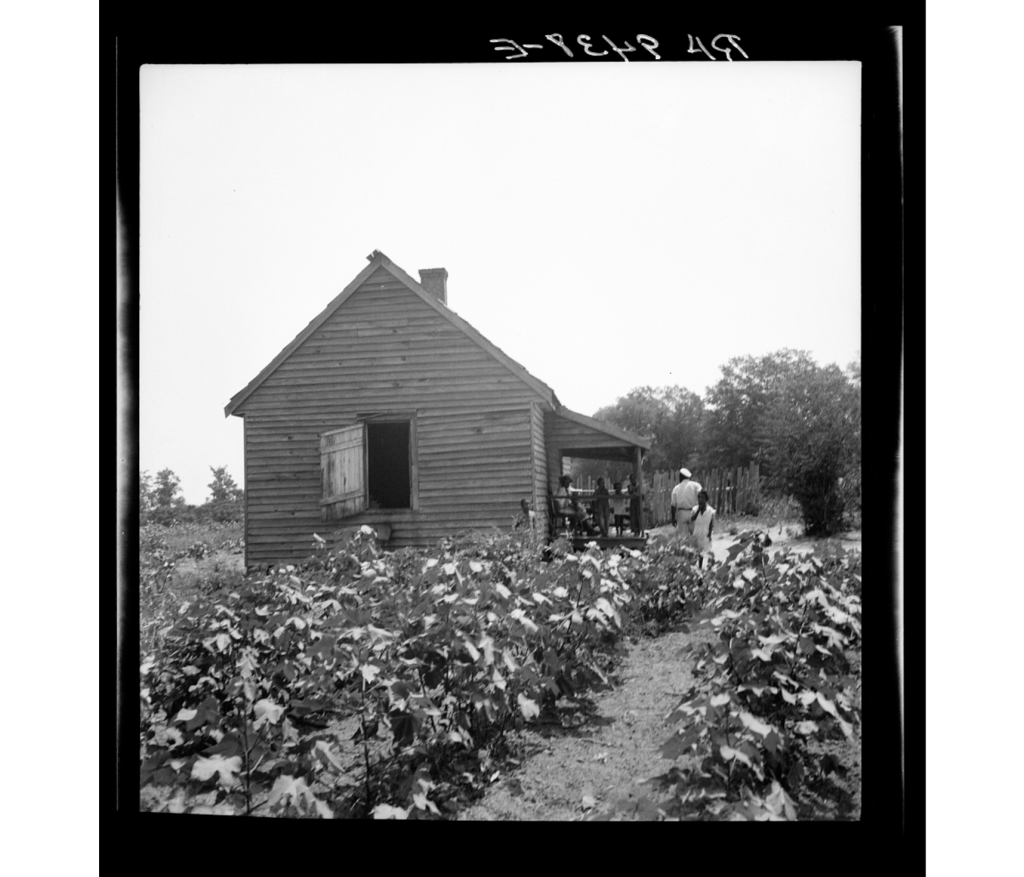
A pesar de estos desafíos, los agricultores negros llegaron a ser propietarios de una cantidad notable de tierras agrícolas. En 1910, el Censo Agrícola Se contabilizaron 241.221 granjeros negros y otros no blancos que eran propietarios de sus tierras.
Pero en los años transcurridos desde entonces, la propiedad de tierras por parte de personas negras ha disminuido drásticamente. Para 2022, solo 20.039 granjas eran totalmente propiedad de productores negros. ¿Una de las principales causas de esta caída? Un acceso desigual al crédito. Después de la reconstrucción, muchos prestamistas solo otorgaban crédito a los agricultores negros para el cultivo del algodón. Cuando el mercado del algodón se desplomó a principios de la década de 2000, los prestamistas blancos se volvieron más exigentes con los agricultores negros.el siglo, Muchos agricultores negros perdieron sus fincas.
Durante el Nuevo Acuerdo se introdujeron programas para apoyar a los agricultores en dificultades. Pero El USDA excluyó sistemáticamente a los agricultores negros de estos programas, incluyendo los que garantizaban créditos baratos. De hecho, en ese momento el USDA estaba controlado por demócratas del sur que lo utilizaban como herramienta para mantener la segregación e inequidad —lo que le valió el apodo de “USDA de los negros”.“La última plantación.La discriminación racial era especialmente generalizada en Administración de Hogares de Agricultores del USDA, el prestamista federal de último recurso en materia agrícola. Esta discriminación costó a cientos de miles de agricultores negros y de otras minorías sus fincas y medios de vida.
En el 1990s y 2010s, Los agricultores negros presentaron una demanda contra la USDA por discriminación contra ellos en materia de crédito y otros beneficios. Estas acciones colectivas dieron como resultado pagos históricos a las víctimas del historial de discriminación de la USDA — pero para muchos, estos pagos llegaron demasiado tarde, ya que muchas de las empresas familiares ya habían desaparecido.
Casos similares han sido presentados por agricultores indígenas, hispanos y mujeres, lo que ha dado como resultado sitios similares o nuevos procesos Tratar de reparar los daños causados por la discriminación de la USDA. Estos casos proporcionaron cierta justicia a los agricultores socialmente desfavorecidos, pero no solucionaron el problema más amplio. Hoy en día, el gobierno proporciona muy poca asistencia crediticia agrícola. En cambio, el 83% % proviene de los acreedores comerciales.
Innumerables agricultores de grupos históricamente desatendidos declaran que han sufrido discriminación por parte de los bancos comerciales al solicitar crédito para su negocio agrícola. Historias de banqueros requerir garantías irrazonables Para préstamos o simplemente Huyendo de los agricultores negros Evitar darles crédito es, desafortunadamente, una práctica común.
Luchando por un sistema de crédito agrícola más justo
Aunque los agricultores se enfrentan y han denunciado discriminación en el otorgamiento de préstamos desde hace más de 100 años, aún no tenemos los datos completos necesarios para analizar y abordar este problema sistémico. Tras años de lucha, en 2023 el Departamento de Protección Financiera del Consumidor emitió una norma que obligaría a las entidades de crédito a recopilar y reportar datos demográficos de los solicitantes. Esta información será fundamental para identificar dónde se produce la discriminación y para responsabilizar a las entidades de hacer frente a este problema.
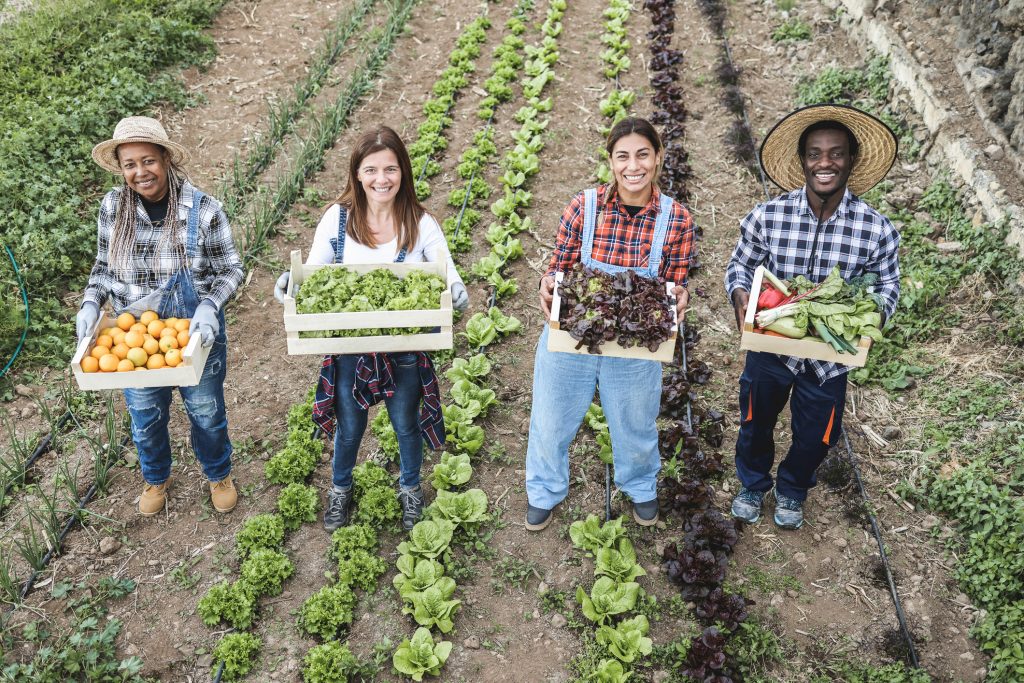
El gobierno de Trump quiere eliminar esta norma, al igual que está tratando de eliminar el propósito completo del CFPB. de protegernos de las corporaciones depredadoras.
Cuando pequeños agricultores diversos sufren pérdidas debido a préstamos injustos, la gran industria agropecuaria se beneficia: absorbe sus tierras y controla cada vez más el mercado agrícola.
El impacto es especialmente grave para los agricultores de color y las comunidades que ellos sustentan.
En FarmSTAND entendemos que nuestro sistema alimentario siempre se ha basado en la explotación de comunidades de color y que debemos desafiar las estructuras racistas para construir un sistema alimentario verdaderamente equitativo. Por eso nos sentimos orgullosos de representar a una coalición de la cual somos miembro principal, Alianza de Alimentos HEAL, al destacar la importancia de la financiación agrícola justa.
Haz clic aquí para leer el informe completo.