Por Sylvia Regan
Paralegal de investigación
American agriculture relies on credit as much as it does seeds, soil, rain, and sun. Without credit, farmers cannot invest in tractors, livestock, or new irrigation systems. They may not survive a hard year of low prices or bad weather.
But agricultural credit has never been distributed equally. Members of underserved groups — including people of color, women, and young or new farmers — have long found it difficult or impossible to access credit on equal terms with their competitors.
The unequal distribution of credit access is a major reason why American farming has gotten whiter, older, and bigger.
Unfair credit lending doesn’t just hurt the farmers who face discrimination. Small and medium-sized farmers are the backbone of a vibrant, healthy food system. These diverse, independent producers offer an alternative to Big Ag — a better system that cares for local communities, workers, animals, and the earth.
But we cannot address discrimination we cannot see. In 2023, the Consumer Financial Protection Bureau issued a final rule that was applauded by farmers and farm groups for finally requiring financial institutions to report the demographics of loan applicants. The rule should have gone into effect by now, but the Trump-controlled CFPB has abandoned enforcing it.
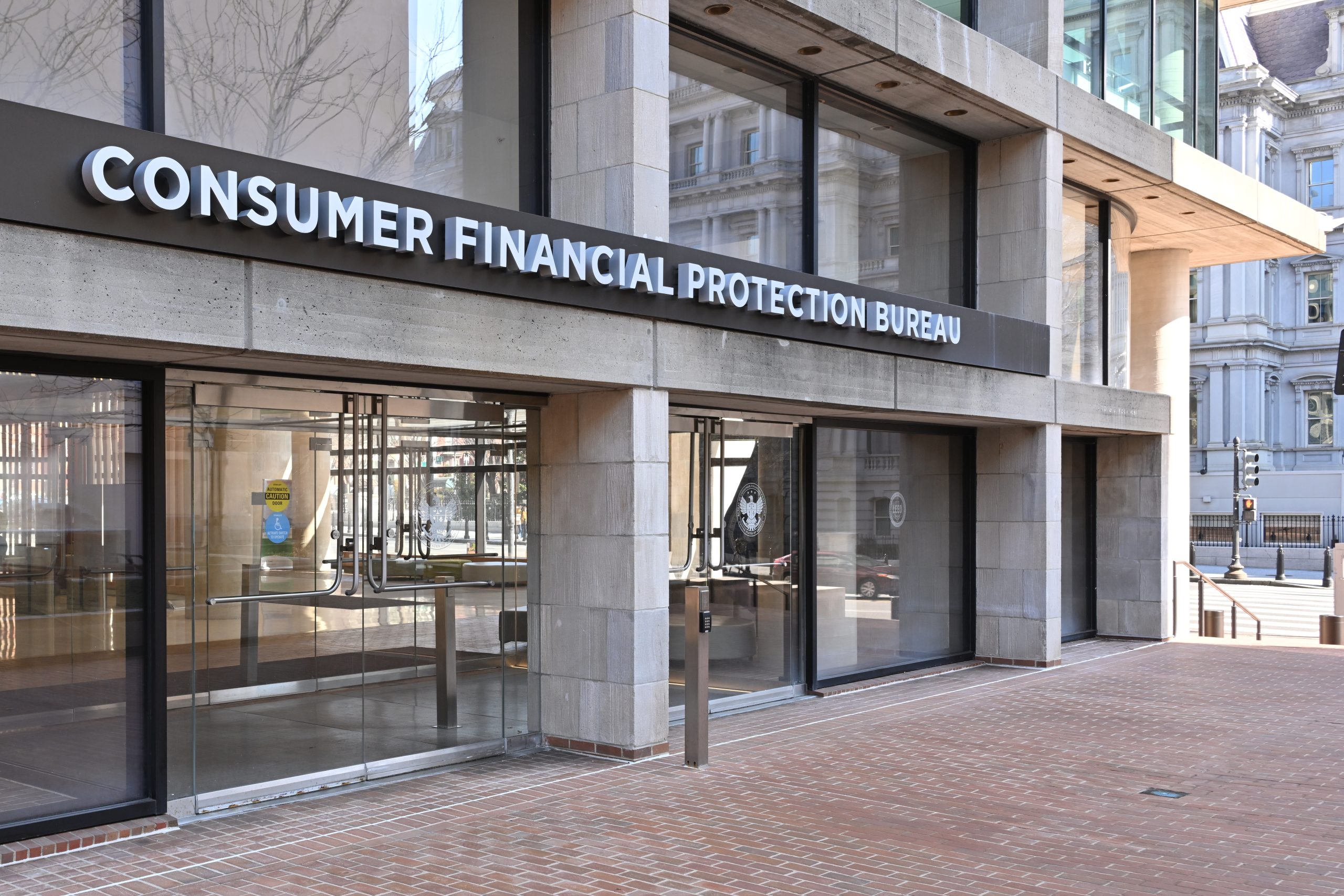
Civil rights and economic justice advocates have challenged the Trump administration’s attack on this critical rule. Food justice advocates, represented by FarmSTAND, filed an amicus curiae brief arguing why data on agricultural lending is a critical piece of building a more just food system .
The History
To understand why unfair credit is such a controlling force in modern agriculture, we must trace its roots back to the United States’ legacy of slavery and the systems set up after the Civil War to maintain racialized hierarchies.
The end of the Civil War, Emancipation, and Reconstruction-era legislation promised former slaves the opportunity to own the land they had long been forced to work. But few formerly enslaved people could afford to pay cash for farmland. And what agricultural credit existed in the post-Civil War United States mostly went to white men.
Black farmers instead had to finance their operations through crop liens, part of the sharecropping system that perpetuated the economic exploitation of formerly enslaved people. Crop liens often came with extreme interest rates and gave the lenders excessive control over the farmer, preventing many Black farmers from controlling their own business and becoming landowners.
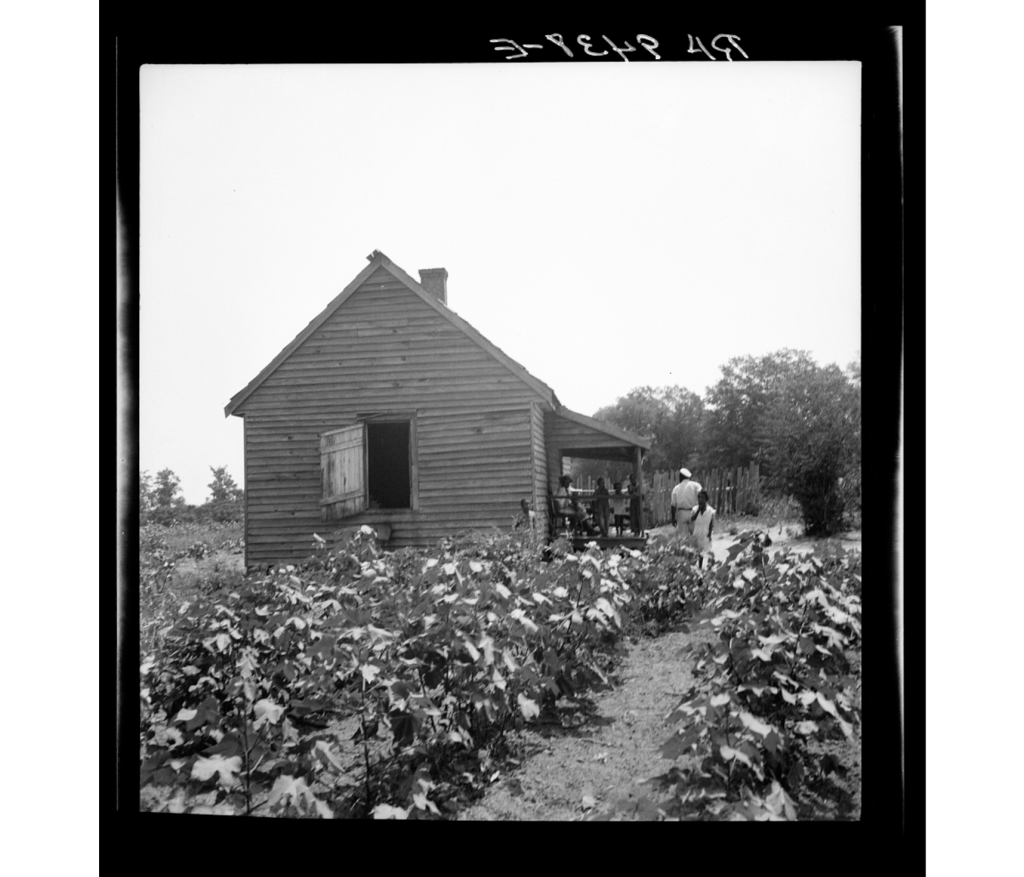
Despite these challenges, Black farmers came to own a remarkable amount of agricultural land. By 1910, the Agricultural Census counted 241,221 Black and other non-white farmers who owned their land.
But in the years since, Black farm ownership has plummeted. By 2022, just 20,039 farms were fully owned by Black producers. A major cause of this drop? Unequal access to credit. After reconstruction, many lenders would only give Black farmers credit for growing cotton. When the cotton market crashed in the early 20th century, many Black farmers lost their farms.
During the New Deal, programs were introduced to support struggling farmers. But the USDA systematically excluded Black farmers from these programs, including from programs ensuring cheap credit. Indeed, the USDA at this time was controlled by southern Democrats who used the agency as a tool to maintain segregation and inequality — earning USDA the nickname “The Last Plantation.” Racial discrimination was especially rampant in the USDA Farmers Home Administration, the federal agricultural lender of last resort. This discrimination cost hundreds of thousands of Black and other minority farmers their farms and livelihoods.
In the 1990s and 2010s, Black farmers took USDA to court for discriminating against Black farmers with credit and other benefits. These class actions resulted in historic settlement payments to victims of the USDA’s history of discrimination — but for many, these payments came too late, with family businesses already long gone.
Similar cases have been brought by American Indian, Hispanic, and female farmers, resulting in similar settlements or new processes to try to repair the harms caused by USDA discrimination. These cases provided some justice to socially disadvantaged farmers, but did not fix the larger problem. Today, very little agricultural credit is provided by the government. Instead, 83% comes from commercial creditors.
Countless farmers from historically underserved groups testify that they’ve experienced discrimination from commercial banks when seeking farm credit. Stories of bankers requiring unreasonable collateral for loans or flat out hiding from Black farmers to avoid giving them credit are unfortunately a dime a dozen.
Fighting for a fairer agricultural credit system
Although farmers have faced and reported lending discrimination for more than 100 years, we still don’t have the comprehensive data needed to analyze and tackle this systemic issue. After years of advocacy, in 2023, the Consumer Financial Protection Bureau issued a rule that would require lending institutions to collect and report demographic data for applicants. This information will be key for identifying where discrimination is occurring and for holding institutions responsible for fixing it.
The Trump administration wants to kill this rule, just like it’s attempting to kill the CFPB’s entire purpose of protecting us from predatory corporations.
When small, diverse farmers go under because of unfair lending, Big Ag wins — swallowing up their land and controlling ever more of the agricultural market.
The impact is especially dire for farmers of color and the communities they sustain.
At FarmSTAND, we understand that our food system has always been built on the exploitation of communities of color and that we need to challenge racist structures to build a truly equitable food system. That’s why we were proud to represent a coalition of which we’re a core member, the HEAL Food Alliance, in calling out the importance of fair agricultural lending.
Click here to read the full brief.