By Sylvia Regan
Research Paralegal
We’ve known about the spread of bird flu to dairy cows, dairy workers, and poultry workers since early 2024, yet we still know very little about how many people and animals are getting sick and how we’ll be able to contain the spread of disease. Alarmingly, in September a person who had no contact with animals was hospitalized with bird flu, raising concerns about how the disease is spreading. Unfortunately, federal and state responses to the outbreak have been slow and deferential to industry, leaving workers and communities at risk.
Currently, the USDA only requires testing for lactating cattle that are being moved across state lines. Otherwise, the agency only encourages testing by offering voluntary testing for milk. Twenty-four dairy herds are participating in this testing — out of roughly 24,000 farms that sell milk nationwide.
This woefully inadequate voluntary testing program leaves public health experts, farmers and workers, and the public in the dark about the spread of bird flu and without the tools we need to combat it. We can’t keep playing whack-a-mole trying to contain bird flu when (and if) voluntary testing detects it. The very nature of factory farming makes the spread of disease too easy. Facilities that keep animals in intensive confinement are breeding grounds for disease and are a major threat to public health.
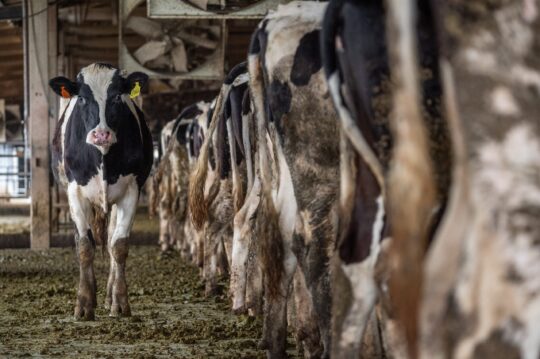
What’s more, the business model of the dairy industry makes it even more likely for disease to spread. In dairy, large-scale movement of cattle is standard practice. Research shows that 1 in 10 dairy calves are moved soon after their birth to be raised on “calf ranches” before being sent back to the same or a different dairy, feedlot, or farm. The figure is closer to 1 in 2 calves getting shipped off from big factory farms with more than 500 lactating cows. Moving all these animals also makes it easier for the bird flu to move from farm to farm.
Most dairy farmers are operating in dire financial straits. Between 1997 and 2017, more than half of U.S. dairies went out of business. The average dairy farm only made a profit three times in the last twenty years, thanks to the consolidation of the dairy industry in the hands of a few big cooperatives and bad government policies that drive overproduction and tank milk prices.
For an independent producer, not being able to sell their product for weeks is justifiably concerning, and our government must do more to support them while combatting bird flu. But the powerful companies that dominate the dairy market have the resources to act decisively to protect human and animal health, and our government should ensure that they aren’t cutting corners to pad their profits.
The U.S. is also likely undercounting human cases of bird flu because of poor testing. Antibody testing suggests that dairy workers have caught and recovered from bird flu without the active infection ever being detected. Very few dairy workers have been tested for bird flu, even when exhibiting common symptoms. Sometimes this is due to lack of communication and information, with workers and healthcare providers not knowing about the spread of bird flu and or that testing was available. Many workers also avoid going to the doctor at all because they don’t have paid sick leave and can’t afford to miss work or because their employers don’t provide health insurance.
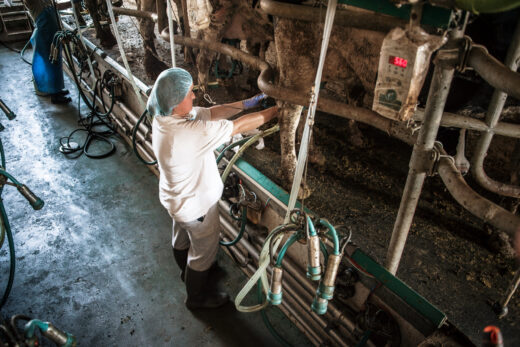
Our government must do more to protect workers from bird flu. While USDA and some states have offered farms PPE or the money to buy PPE for workers, few farms have taken up the offer, leaving workers responsible for providing their own or going unprotected. Even if they can buy their own PPE, many workers don’t know the best ways to wear it or even that they are at risk in the first place. Dairy workers, many of whom are immigrants, deserve access to resources and information on how to protect themselves in their languages. Since dairies are often located in rural areas and many workers lack transportation, workers need testing and resources to meet them where they are.
Extreme confinement and automation mean that industrial dairies can keep hundreds or thousands of cows with a minimal workforce. This allows even the biggest, richest corporate farms to call themselves “small farms” and evade oversight of how they treat their workers, all while they drive true small, independent dairies out of business. Our elected officials should start serving their constituents by closing the industry-friendly loopholes that shield Big Ag from scrutiny.
Our government is supposed to work for the people, not for corporations. Yet when bird flu threatens public health, our government has responded by letting industry “volunteer” to do as little or as much about it as they want. We need government agencies to execute a coordinated plan with some teeth to detect and contain bird flu. Efforts should put the people most at risk — dairy and poultry workers — first. A healthy food system needs healthy workers, who have access to healthcare, sick leave, information, and essential services.