By Sylvia Regan
Research Paralegal
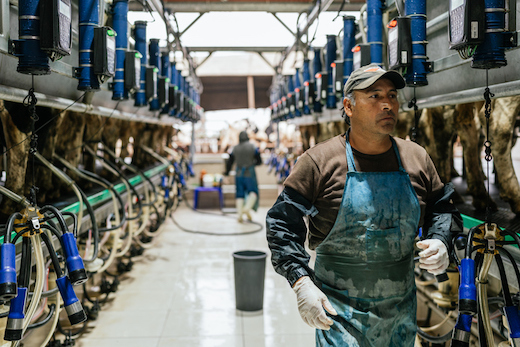
In the spring of 2024, reports emerged of dairy cows across the country being infected with H5N1 bird flu in many states across the country — the first time this virus has been detected in dairy cattle. A Texas worker who was exposed to sick cows contracted the disease in March, thankfully with only minor symptoms, marking only the second case of H5N1 ever known in humans in the United States. The World Health Organization has called the spread of H5N1 to people “an enormous concern,” while the CDC has recommended state public officials make personal protective equipment available to livestock workers. The rising spread of bird flu in mammals like dairy cows has increased concerns that the virus might evolve and get better at infecting humans.
How we got here
With hundreds or thousands of animals crammed into close quarters, industrial animal agriculture is a breeding ground for disease. Some infectious diseases spread only between animals. Others can jump from animals to humans—these are called zoonoses or zoonotic diseases. Some zoonotic diseases you’ve probably heard of or even had yourself are swine flu, salmonella, and MRSA (methicillin-resistant staphylococcus aureus).
Diseases that cross the species barrier can be particularly concerning and dangerous because our human immune systems and available medicine might not be prepared to protect us from these new germs. The COVID-19 virus is a zoonosis that, while not tied to industrial animal agriculture, exposed just how vulnerable our society is to novel zoonotic diseases and how seriously we should try to reduce the risk of future pandemics.
But these industrial-scale operations come at an extreme cost to animal welfare and public health. Close confinement of animals can increase disease transmission. More contact with other animals, longer contact, poor ventilation, and lack of sunlight all mean more and better chances for disease to spread. This increased transmission of disease means that animals kept in close concentration are a recipe for disaster when it comes to diseases evolving to be more infectious, more severe, or novel diseases. Routine overuse and misuse of antibiotics to promote the growth rate of animals and prevent disease in these settings leads to dangerous antibiotic resistant strains of disease that threaten human health.
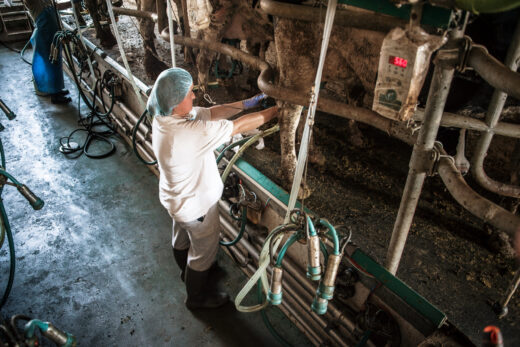
It’s not just the animals who suffer from this. Studies show that people who work in slaughterhouses are more likely to encounter zoonoses like MRSA and salmonella. Their families also are more likely to get sick from the same diseases. Even people who aren’t directly connected to the industry are put at risk when disease carrying animals are transported through their area. In one study, researchers drove cars with the windows down behind a truck transporting chickens to slaughter. What they found was alarming: antibiotic resistant bacteria in the air inside the cars and even on the tops of their drinks in the cupholders.
There’s a better way to raise animals for food, and independent farmers, ranchers and producers are showing us how. Producers who care — about their animals, their workers, and their communities — are raising animals in healthier conditions. When farming decisions are made by people who care, not huge corporations calculating maximum profits, animals are raised with more space, more sunshine, and less stress, and we are all healthier for it.
FarmSTAND’s role
FarmSTAND is fighting for a better food system that protects people and animals from disease and exploitation, including by defending laws that help shift our system towards a better future. When the pork lobby challenged California’s groundbreaking law to limit the sale of pork produced using extreme confinement, FarmSTAND made sure worker safety advocates’ voices were heard. FarmSTAND defended Proposition 12 with a Supreme Court amicus brief explaining how limiting extreme confinement will make a real change for the health and safety of workers, their families, and communities.
There is so much at stake when it comes to improving our food system. Industrial animal agriculture is a public health issue — and a big one. The current fact is that food system workers, their families, and their communities are unfairly exposed to dangerous diseases every day. And we simply cannot afford to ignore the risk that the next zoonotic pandemic spills over from industrial animal agriculture tomorrow.
We deserve a food system that nourishes our well-being, not threatens it. That’s why we’re fighting for a just, transparent food system in which animals, people, and the planet can be safe and healthy.